Selecting physical therapy equipment requires careful consideration of patient needs, clinical objectives, accessibility, available space, and long-term operating costs. Whether you are opening a physical therapy clinic, upgrading a rehabilitation center, or furnishing a senior living fitness facility, the right equipment can support structured exercise programs and improve access to appropriate movement and conditioning activities.
Fitness Exchange offers physical therapy and rehabilitation equipment, including recumbent steppers, upper body ergometers, accessible cardio machines, vibration trainers, and functional exercise equipment for a variety of facility requirements.
Types of Physical Therapy and Rehabilitation Equipment
Recumbent Steppers
Recumbent steppers provide seated exercise with a stepping motion and, on many models, coordinated upper- and lower-body movement. Supportive seating and accessible entry can make them useful in facilities serving people with varying mobility levels.
Best for: Rehabilitation clinics, medical fitness centers, senior living communities, and supervised exercise programs.
Upper Body Ergometer Machines
Upper body ergometers use arm cranks to provide adjustable resistance for upper-body conditioning. Depending on the model, they may be used from a seated position or wheelchair-accessible setup.
Best for: Physical therapy clinics, rehabilitation facilities, adaptive fitness programs, and medical fitness centers.
Recumbent Exercise Bikes
Recumbent bikes feature a supported seated position and pedals positioned in front of the user. They offer an alternative to upright cycling and may be suitable for low-impact conditioning programs when appropriate for the individual.
Best for: Rehabilitation clinics, senior fitness facilities, medical fitness centers, and accessible exercise rooms.
Rehabilitation Treadmills
Rehabilitation treadmills can support supervised walking and gait-related exercise programs. Depending on the model, features may include low starting speeds, adjustable inclines, handrails, or specialized support systems.
Best for: Physical therapy practices and rehabilitation facilities where treadmill exercise is appropriate for the treatment plan.
Vibration Training Equipment
Vibration platforms provide a vibrating surface used in selected exercise and rehabilitation programs. Their suitability depends on the individual's health status, treatment goals, and the equipment manufacturer's guidelines.
Best for: Medical fitness facilities and clinics that incorporate vibration training when appropriate.
Functional Training and Resistance Equipment
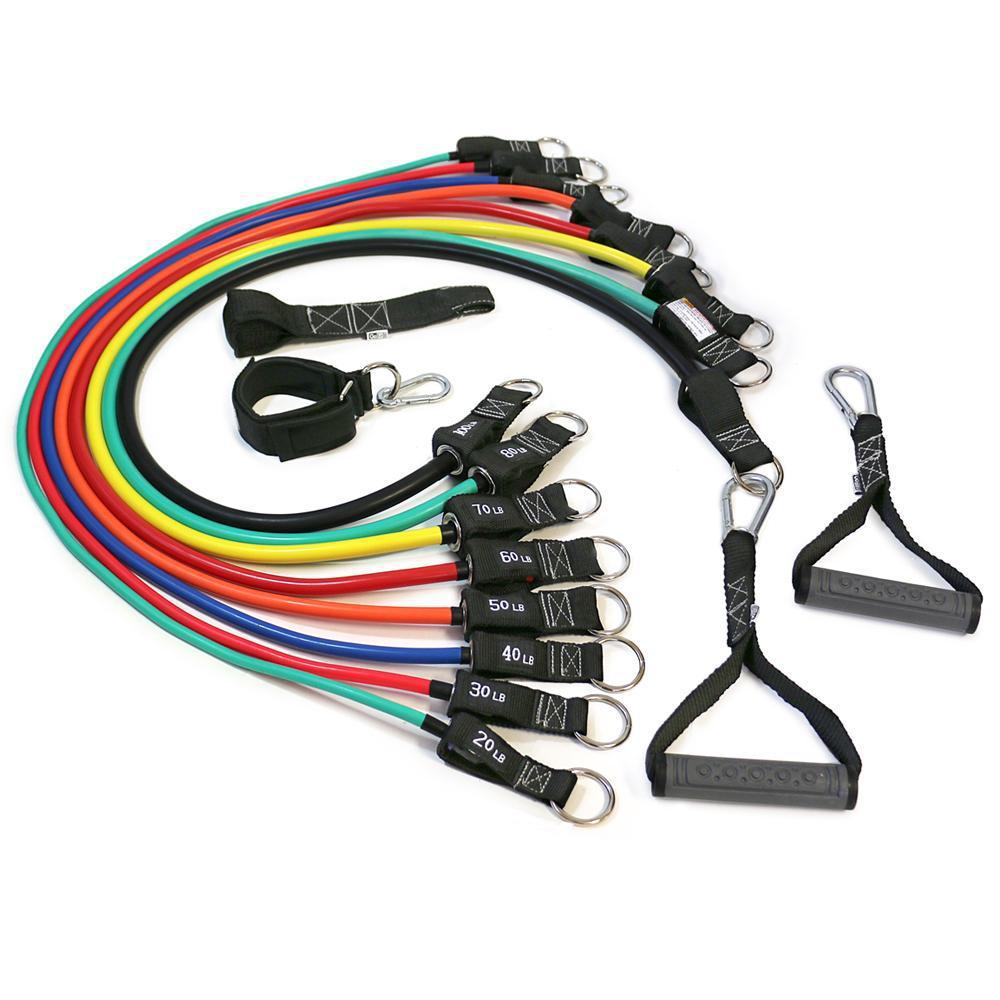
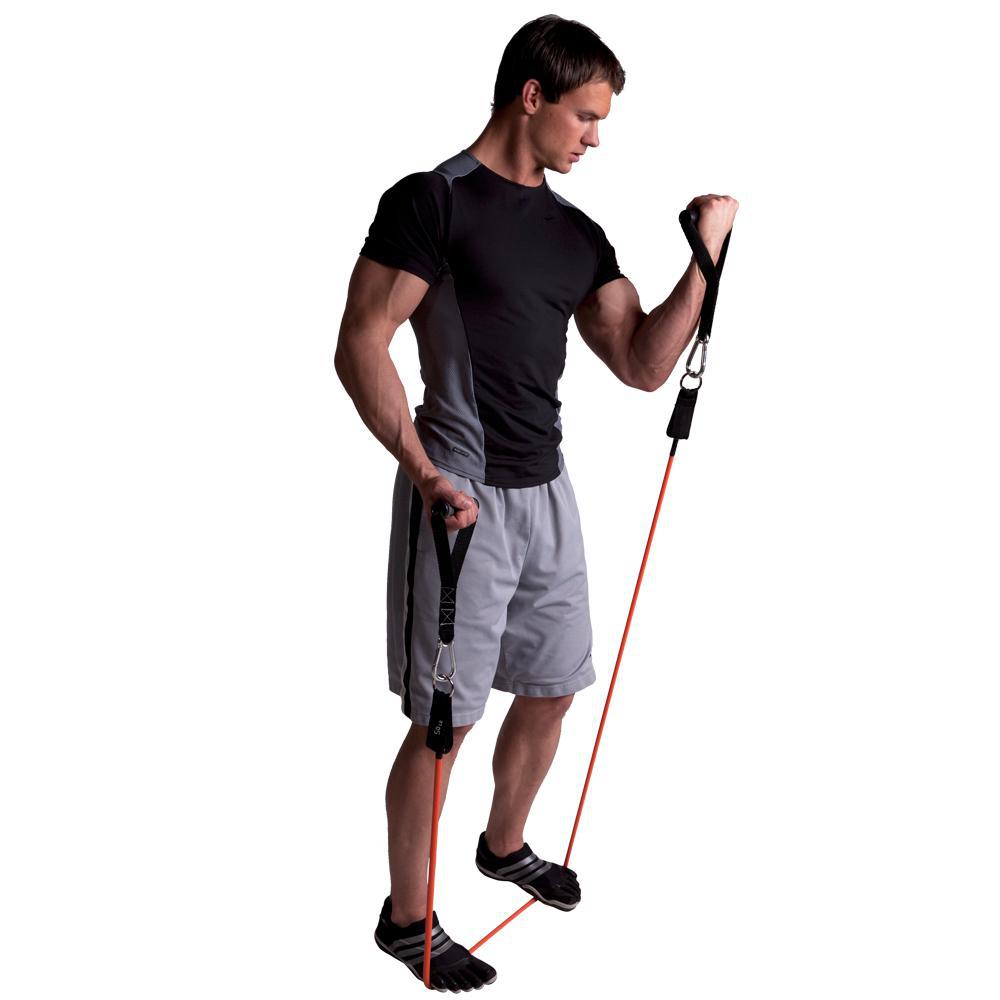
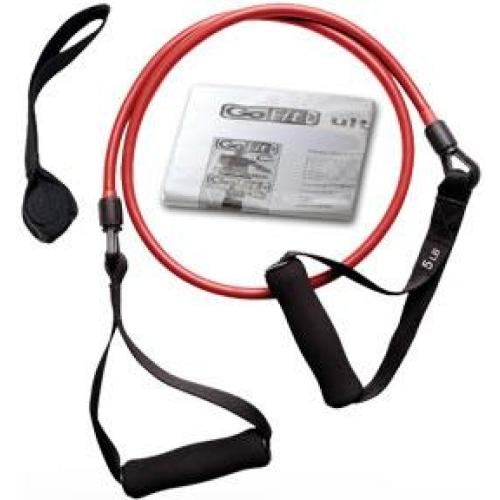
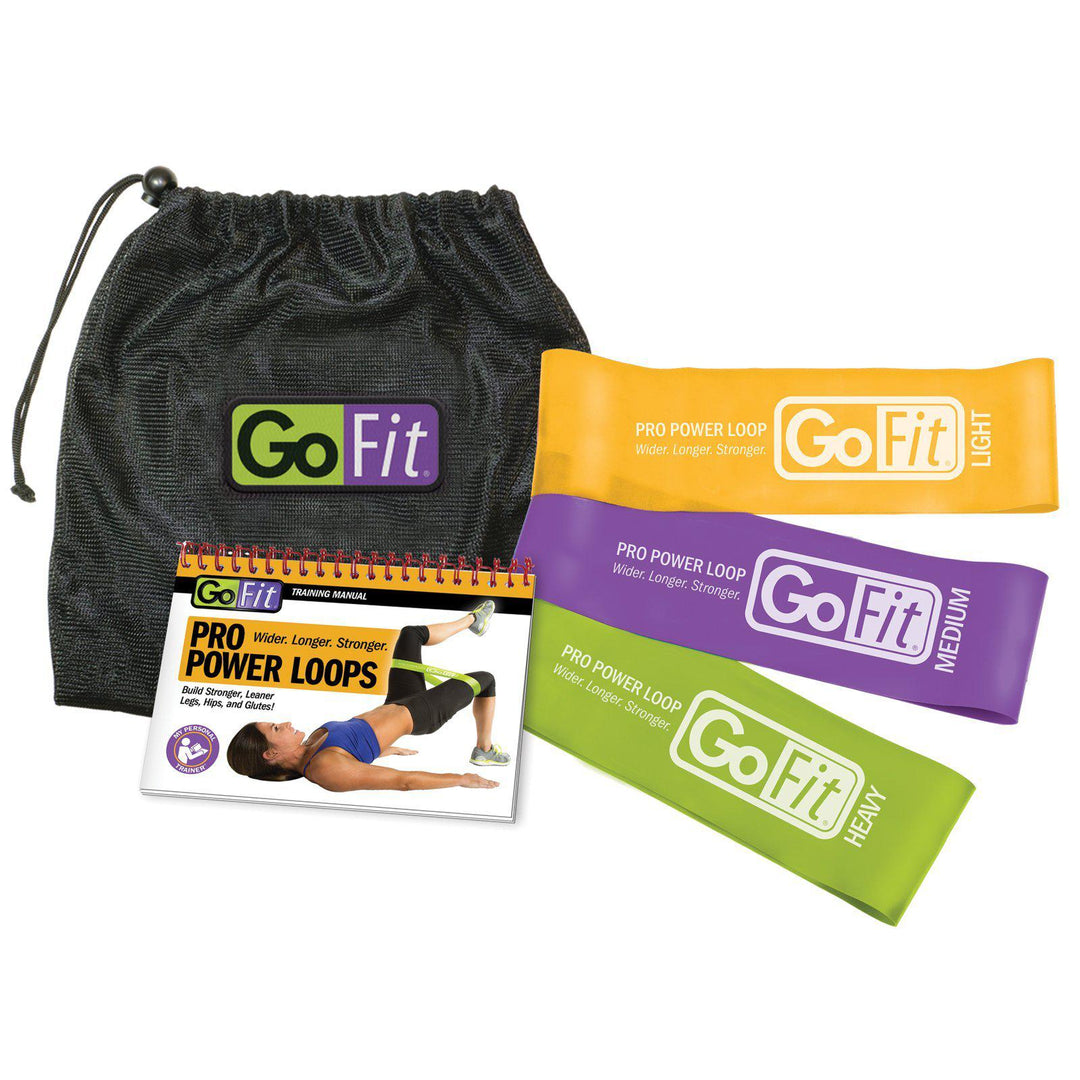
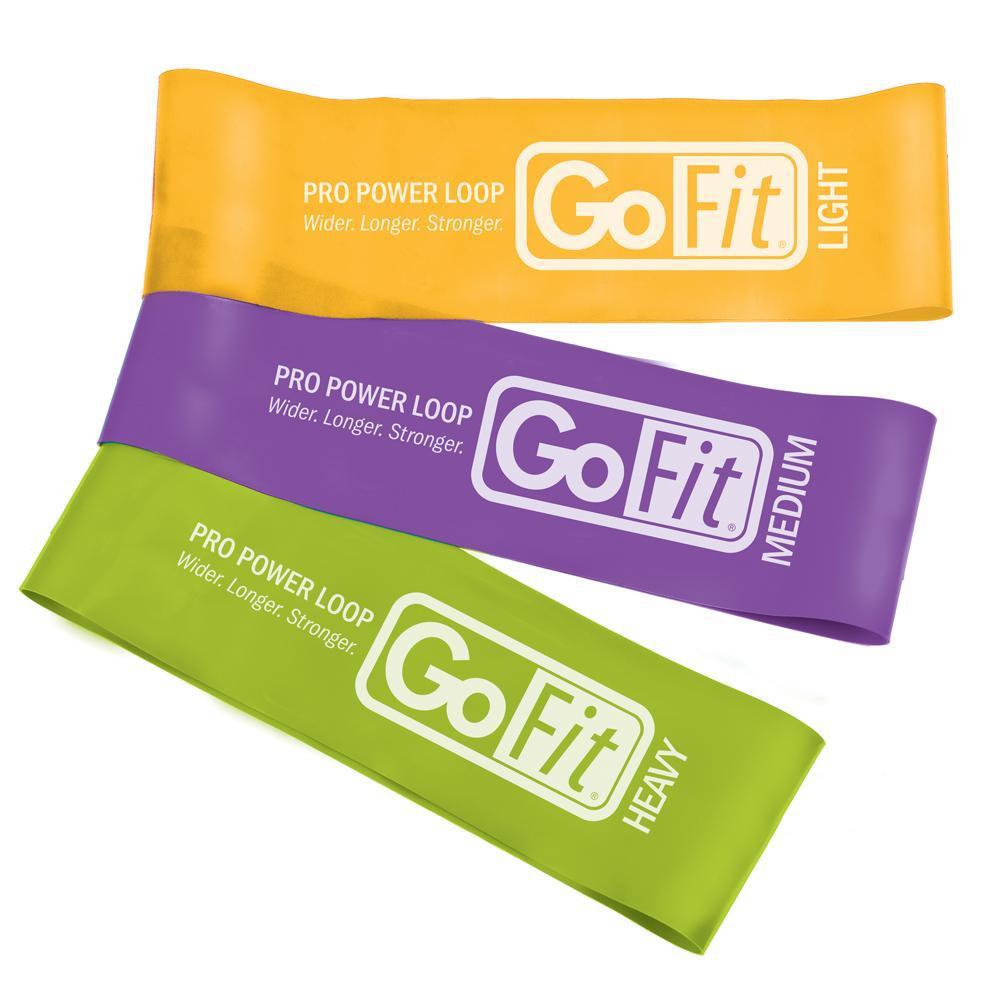
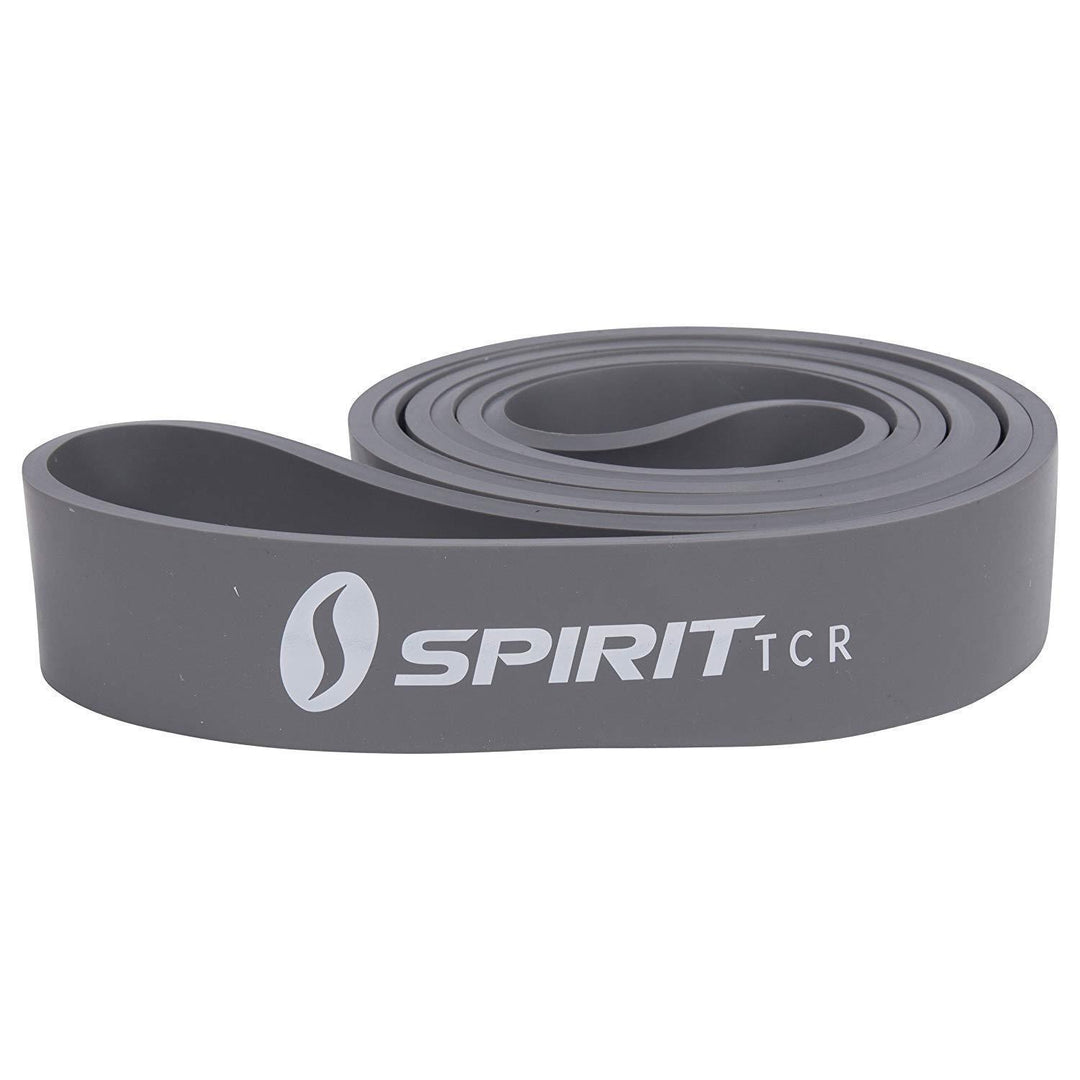
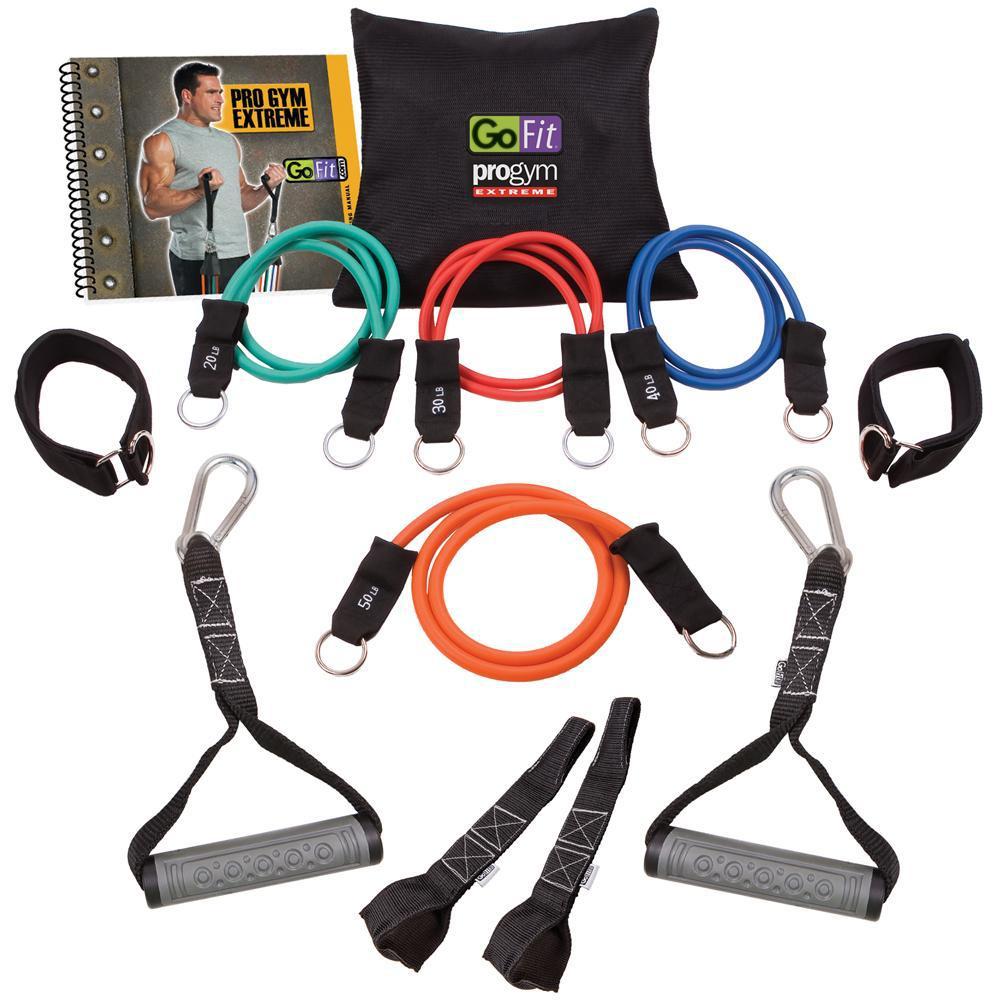
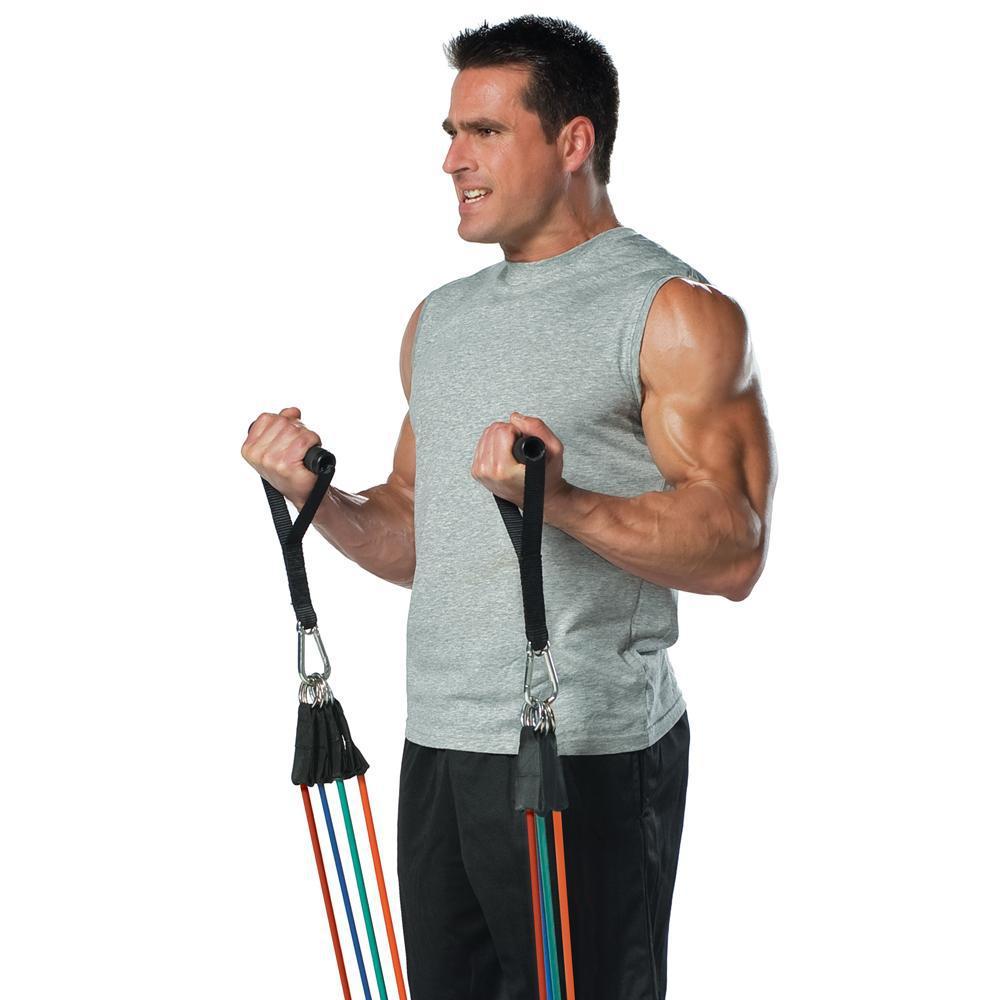
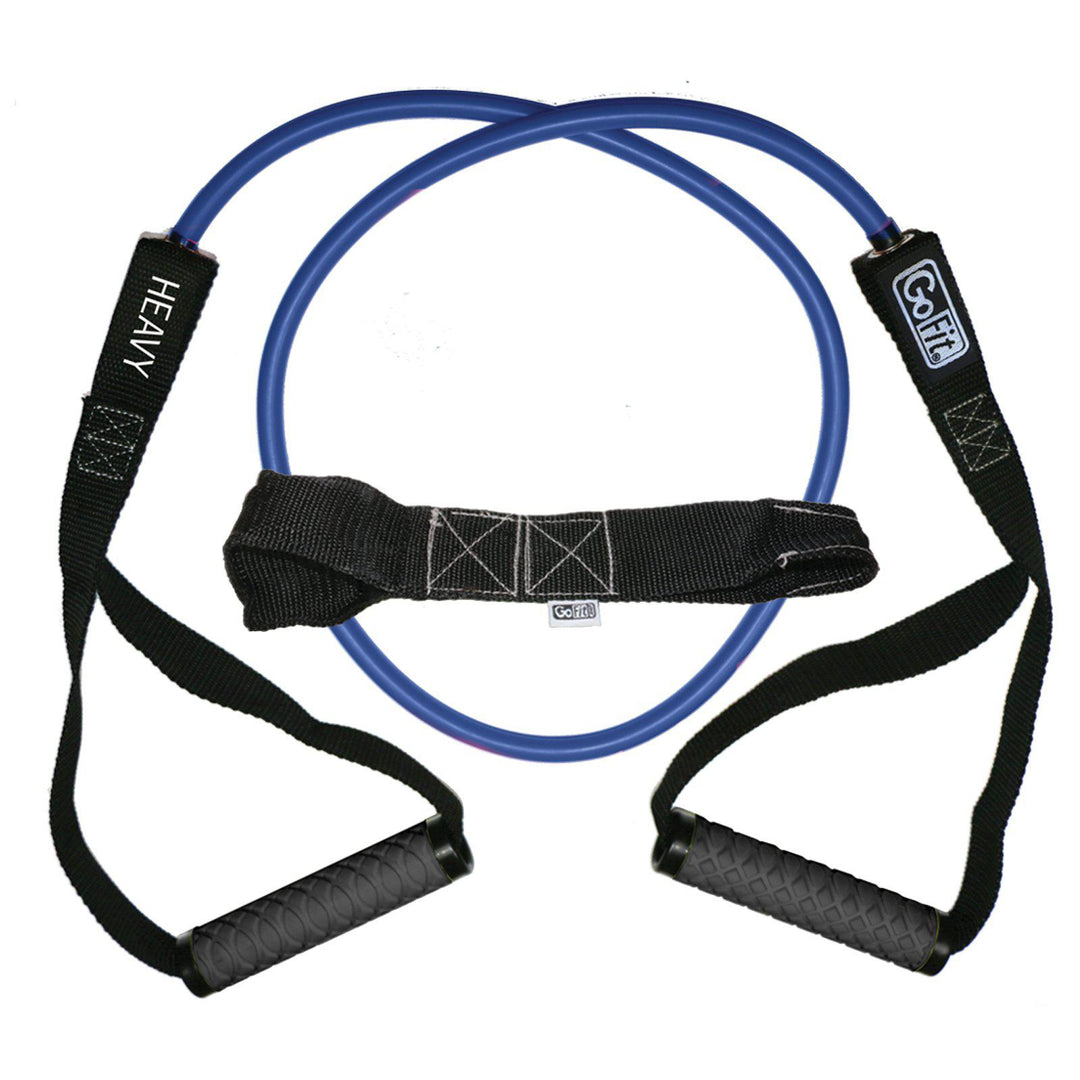
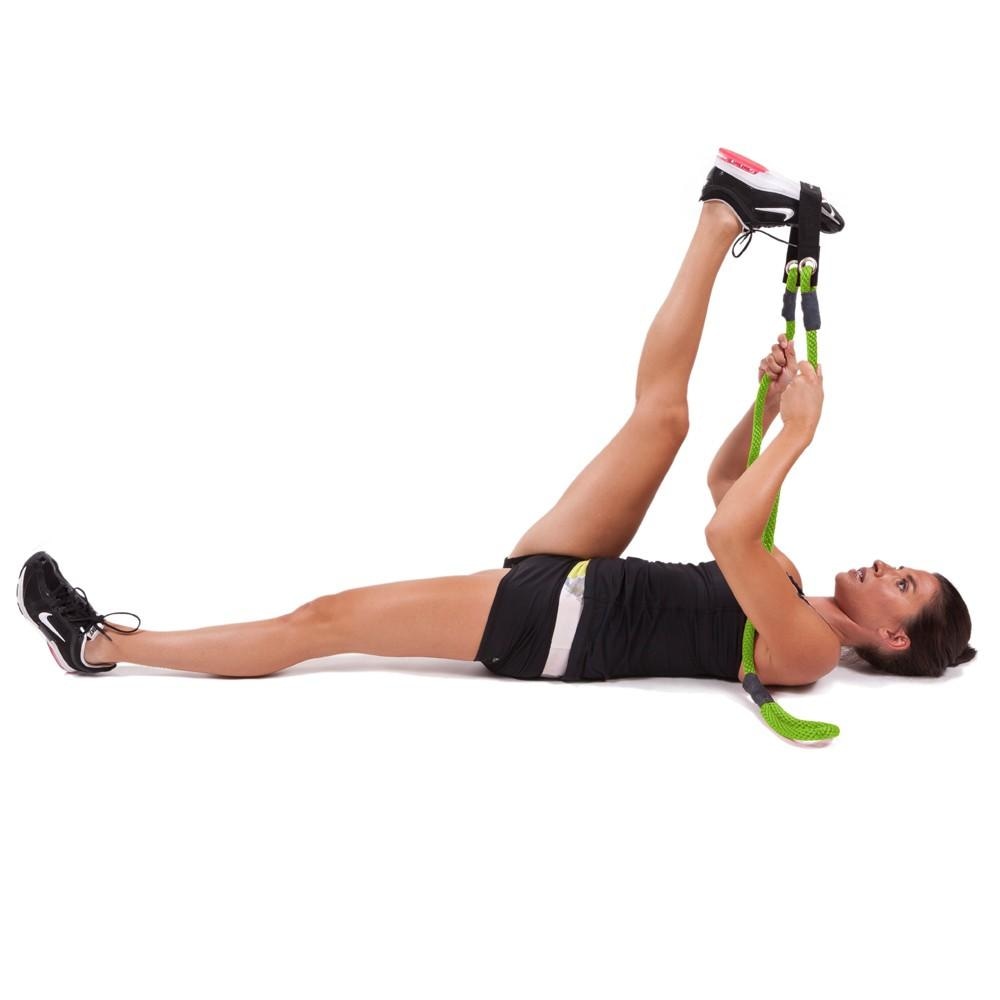
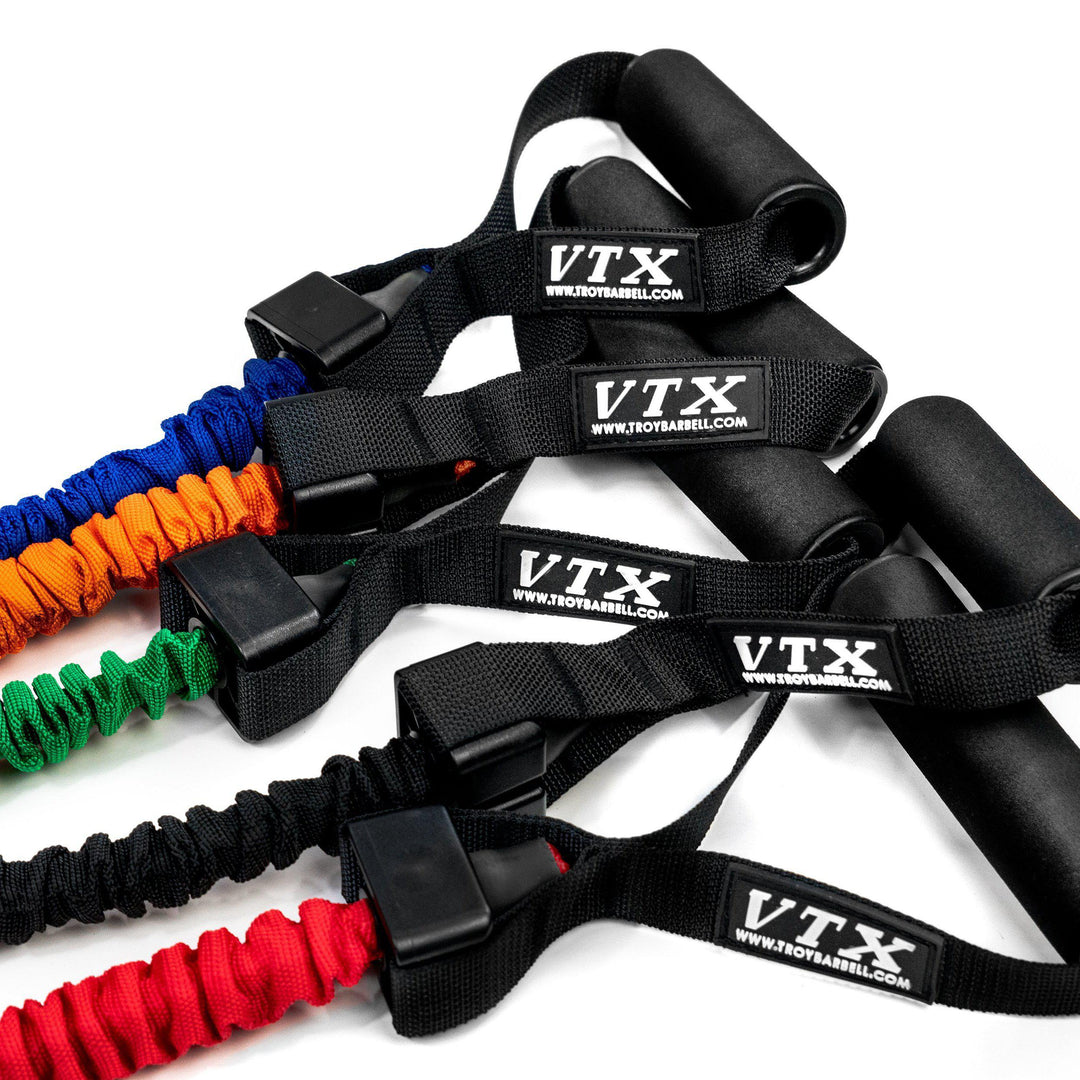
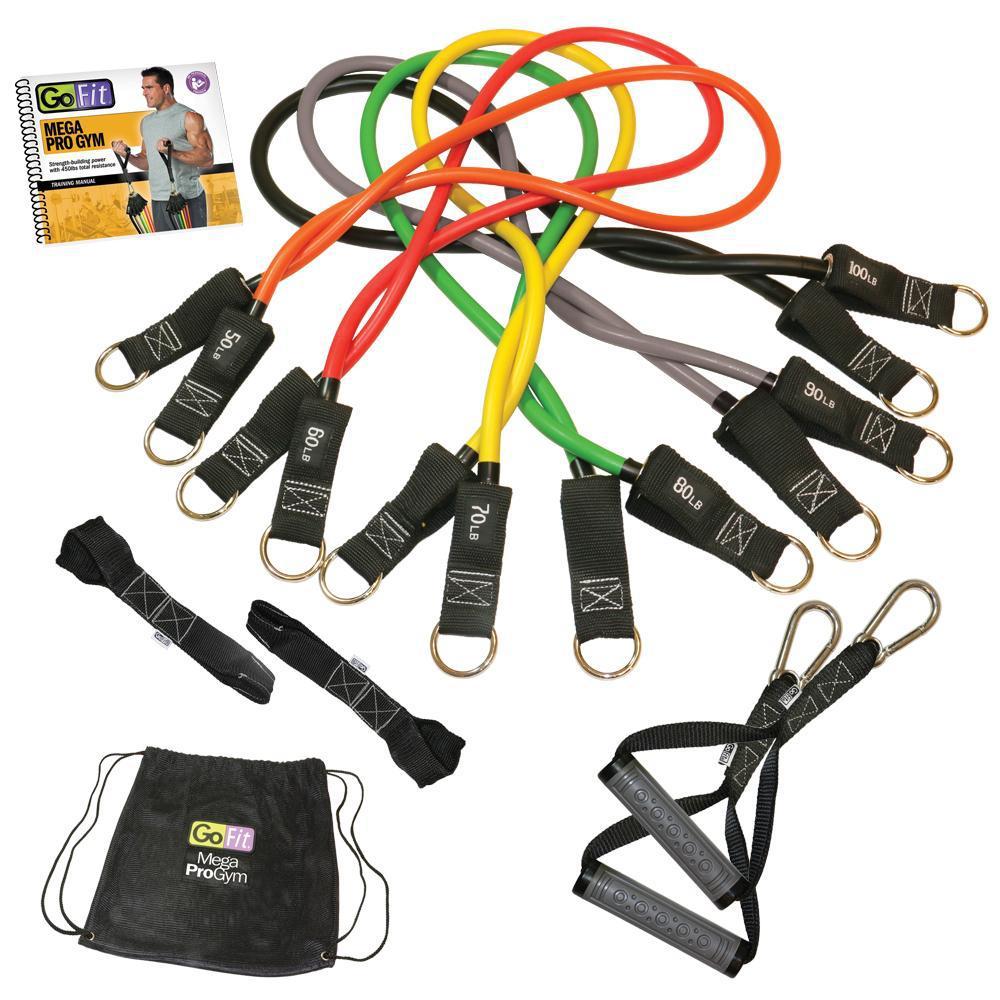
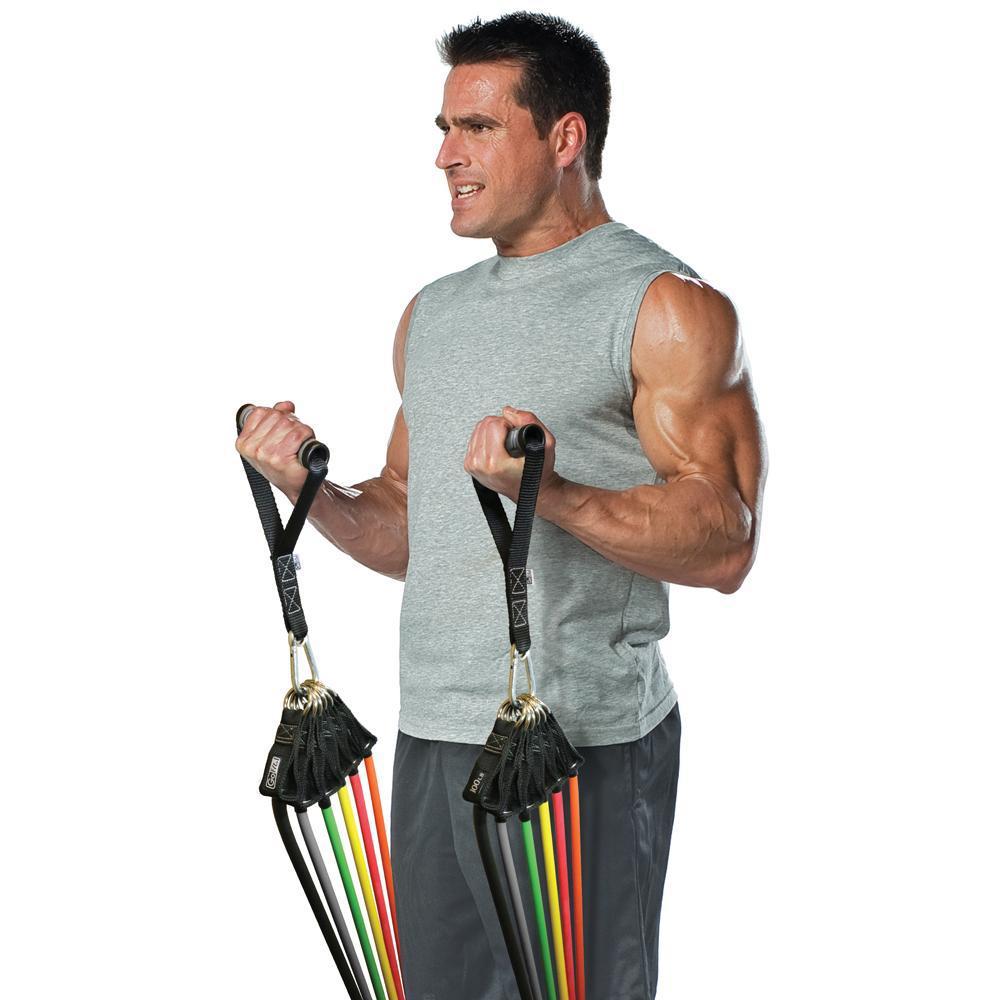
Resistance machines, suspension trainers, balance tools, and functional training accessories can support a variety of strength, coordination, and movement exercises. Equipment selection should reflect the activities prescribed by the clinical team and the capabilities of the intended users.
Best for: Physical therapy clinics, sports rehabilitation practices, and multidisciplinary rehabilitation facilities.
How to Choose the Right Physical Therapy Equipment
1. Identify Your Patient Population
Consider who will use the equipment, including their mobility, balance, strength, endurance, and accessibility needs. A clinic treating orthopedic injuries may require a different equipment mix than a neurological rehabilitation facility or senior living fitness center.
2. Match Equipment to Clinical Objectives
Determine whether your facility needs equipment for cardiovascular conditioning, gait-related exercise, upper-body conditioning, resistance training, or general movement activities. Work with qualified clinicians to ensure equipment aligns with intended treatment protocols.
3. Prioritize Accessibility and Ease of Use
Evaluate step-through entry, seat height, transfer space, handholds, control placement, and adjustment mechanisms. For wheelchair users, confirm actual access dimensions, transfer requirements, and compatibility with the user's mobility equipment.
4. Review Resistance and Adjustment Options
Adjustable resistance, starting intensity, movement range, and control accessibility can affect how well equipment serves different users. Review the machine's specifications and ensure the adjustment range meets the needs of your intended population.
5. Plan Your Facility Layout
Measure each machine's footprint and allow adequate space for transfers, clinician assistance, mobility aids, and safe movement between stations. Account for electrical requirements, ceiling height, flooring, delivery access, and maintenance access.
6. Verify Intended Use and Safety Features
Not all commercial exercise equipment is specifically designed or approved for medical rehabilitation. Review the manufacturer's intended-use information, user limits, accessibility features, safety instructions, and applicable product documentation.
Where required, verify medical-device status and regulatory documentation rather than assuming a product is a medical device simply because it is marketed for rehabilitation or medical fitness.
7. Compare New and Certified-Used Equipment
New equipment may provide updated features and applicable manufacturer warranty coverage. Certified-used equipment may help stretch a facility's budget while providing access to established brands.
Before purchasing pre-owned equipment, review its condition, inspection process, maintenance history where available, warranty coverage, software or console functionality, and replacement-part availability.
8. Evaluate Maintenance and Service Support
Consider preventive maintenance schedules, parts availability, service response, and equipment downtime. Reliable support can be especially important in facilities where equipment availability affects patient scheduling and daily operations.
9. Consider Total Cost of Ownership
Look beyond the initial purchase price. Include delivery, installation, staff training, electrical work, maintenance, repairs, and potential replacement costs when comparing equipment options.
Planning a Physical Therapy or Rehabilitation Facility
A well-planned rehabilitation space balances equipment selection with safe access, efficient workflows, and the needs of both patients and clinicians.
Before purchasing equipment, consider:
- The number of patients using the facility at peak times.
- The mix of cardio, resistance, mobility, and functional training equipment.
- Accessibility and transfer requirements.
- Clinician supervision and assistance needs.
- Available floor space and equipment clearances.
- Delivery, installation, service, and future expansion.
Fitness Exchange offers commercial equipment and facility planning assistance to help medical and physical therapy facilities evaluate equipment options, layout, and budget requirements.
Find Physical Therapy Equipment at Fitness Exchange
Whether you are outfitting a physical therapy clinic, rehabilitation center, senior living facility, or medical fitness center, Fitness Exchange offers equipment options for a range of exercise and conditioning needs.
Explore recumbent steppers, upper body ergometers, recumbent bikes, accessible exercise machines, vibration trainers, and functional training equipment. Compare new and certified-used options, and contact Fitness Exchange for assistance selecting equipment for your facility.