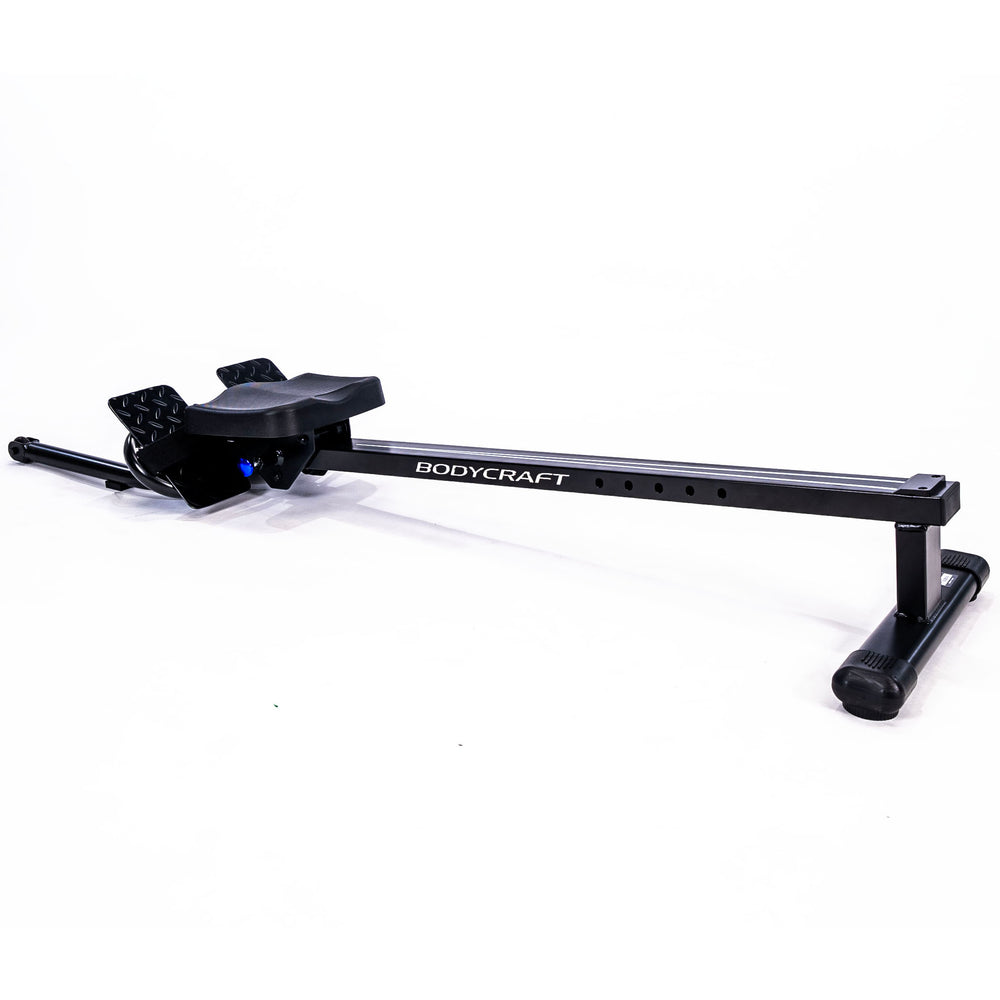
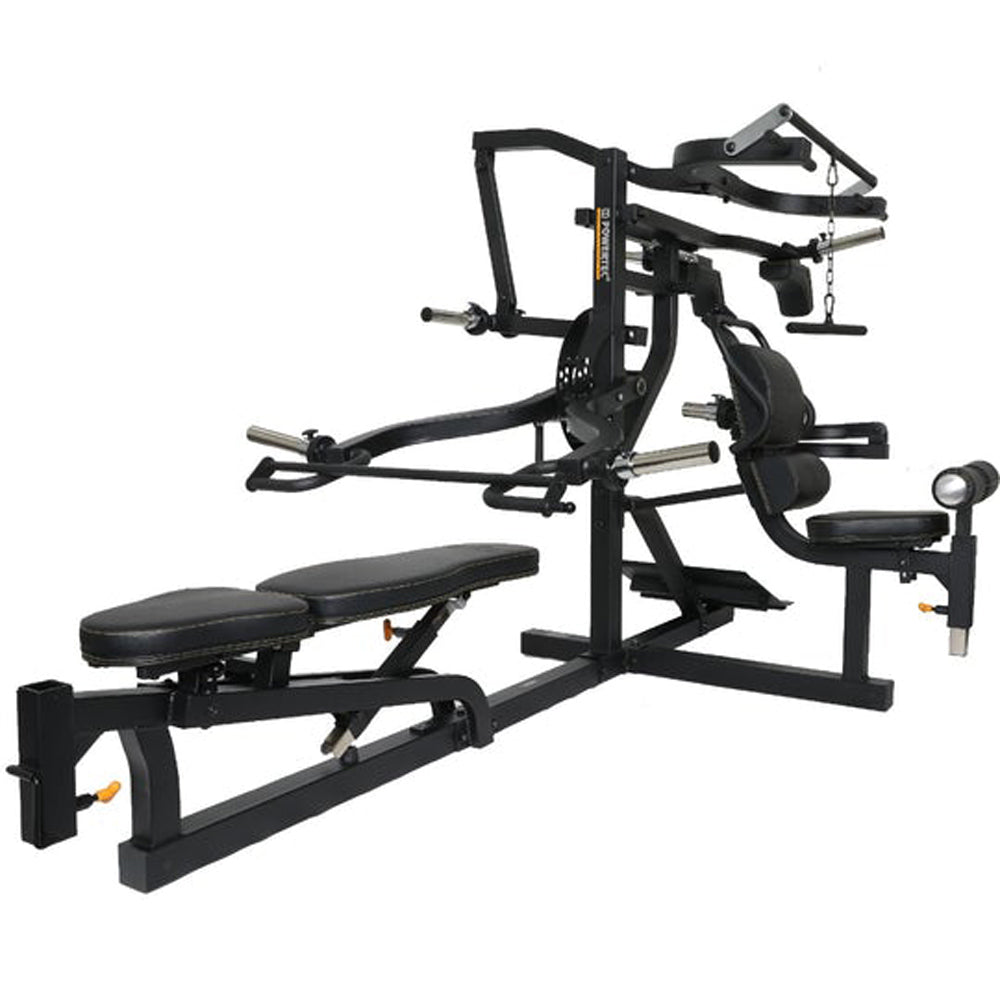
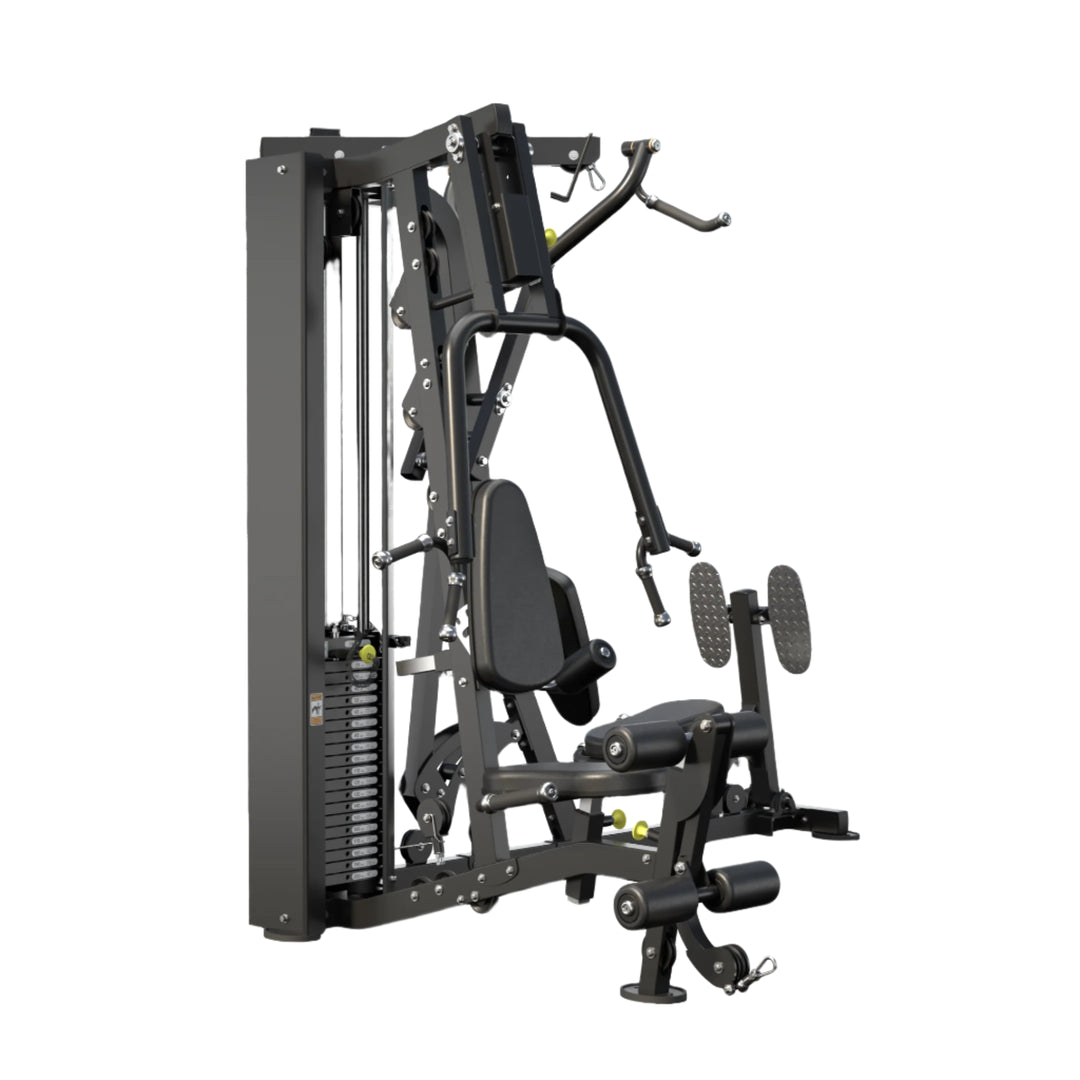
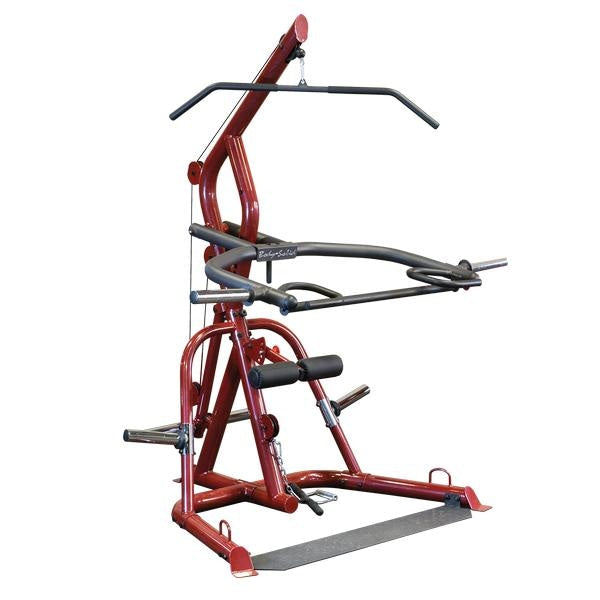
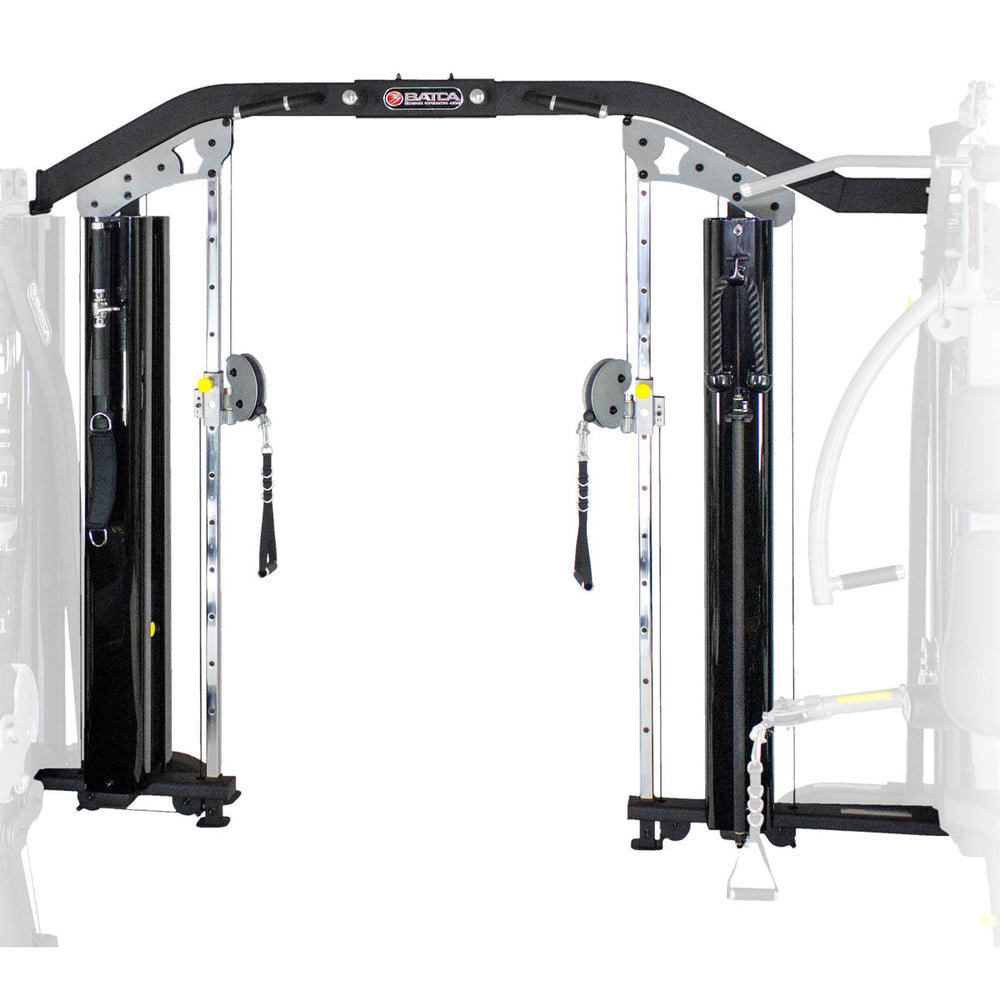
Find Commercial Multi Gyms at Fitness Exchange
Whether you're outfitting a new fitness center, upgrading an apartment gym, or adding strength training capacity to an established facility, Fitness Exchange offers commercial multi gyms designed for a variety of training needs.
Explore multi-station gyms, weight-stack systems, and cable-based strength training equipment from trusted brands. Compare new and certified-used options, and contact Fitness Exchange for help selecting equipment that fits your space, usage requirements, and budget.
Commercial multi gyms offer an efficient way to provide a variety of strength training exercises within a single machine or connected system. They are popular in commercial gyms, hotels, apartment fitness centers, schools, corporate wellness facilities, and other shared workout environments.
Fitness Exchange offers commercial multi gyms and multi-station strength training systems from established fitness equipment brands, with new and certified-used options for different facility requirements and budgets.
What Is a Commercial Multi Gym?
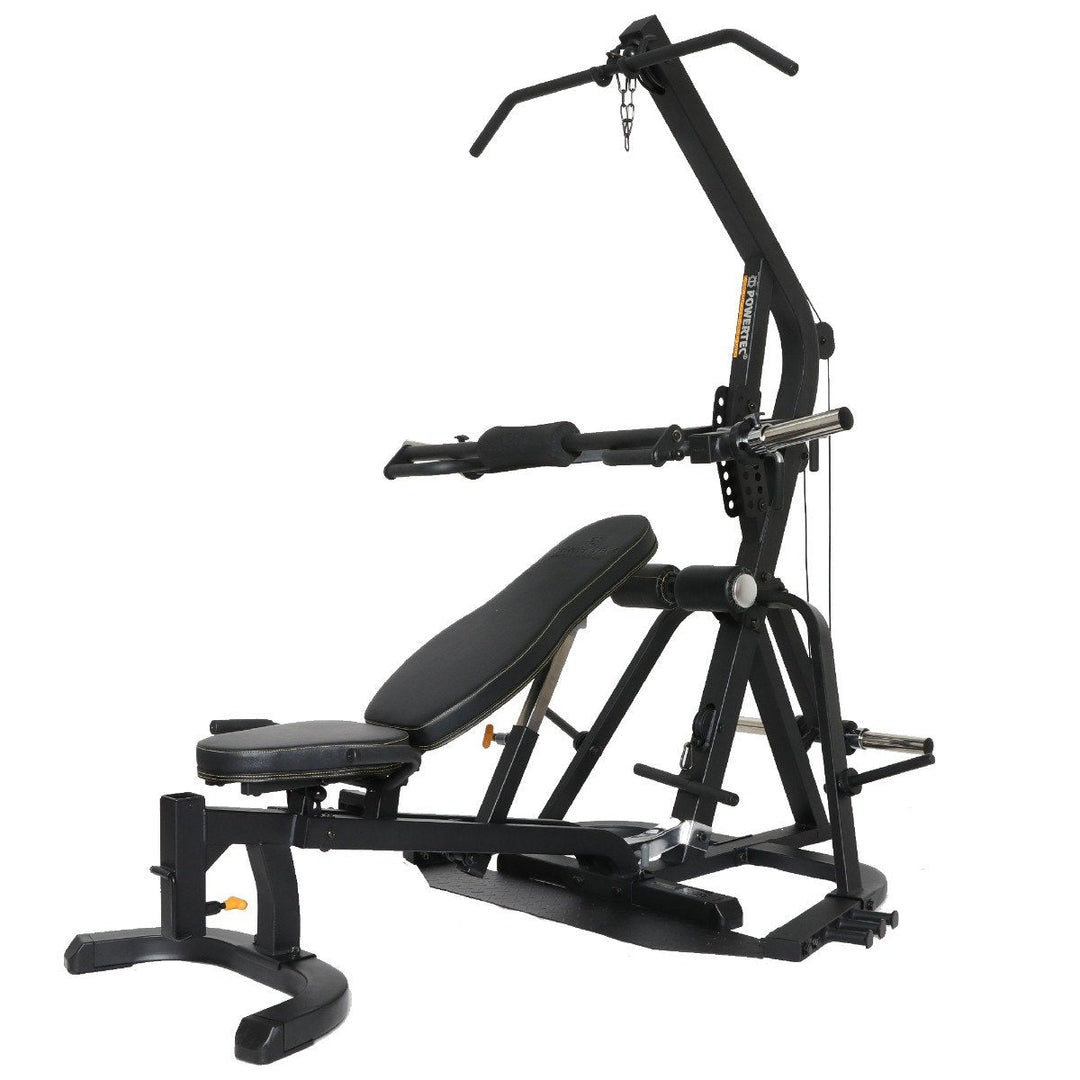
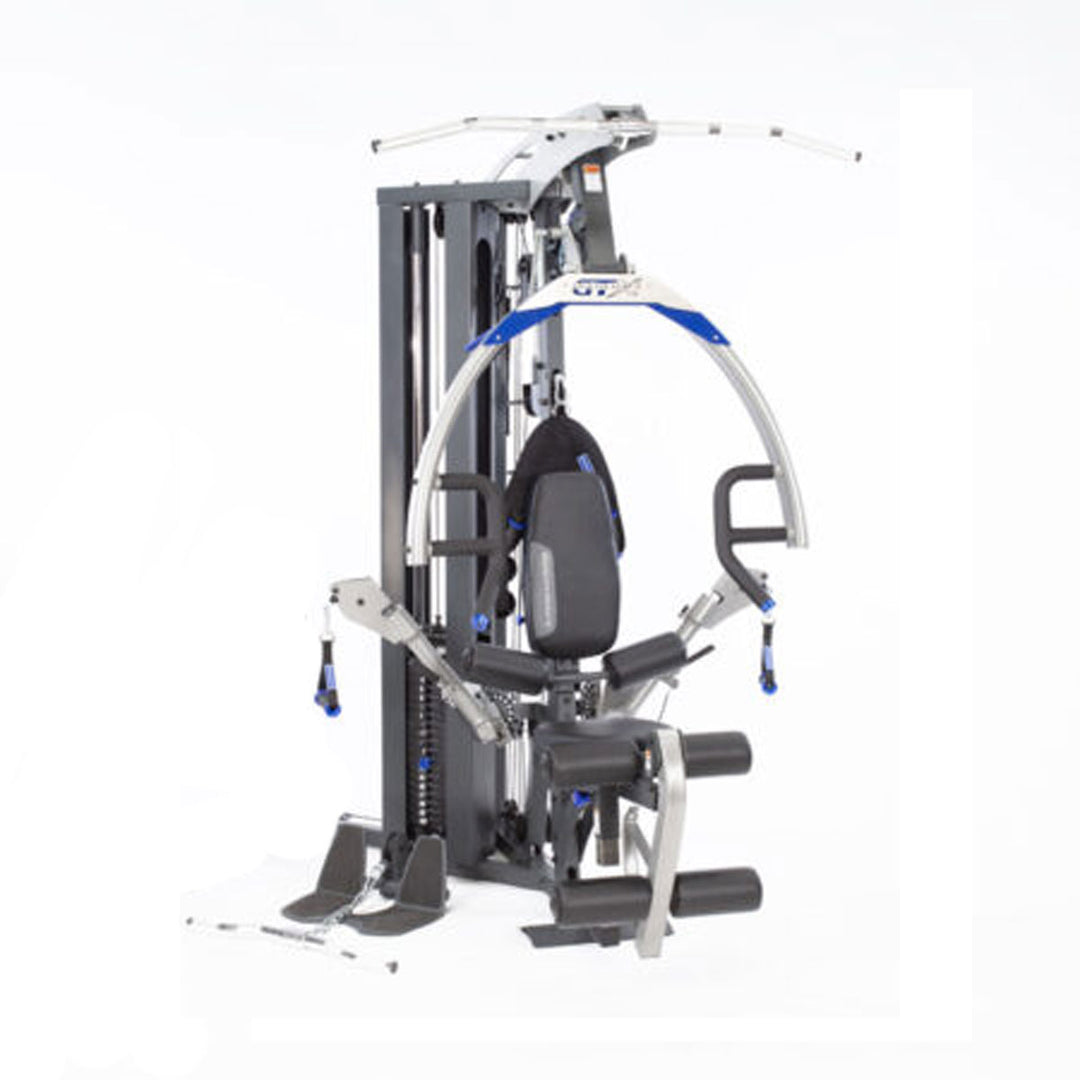
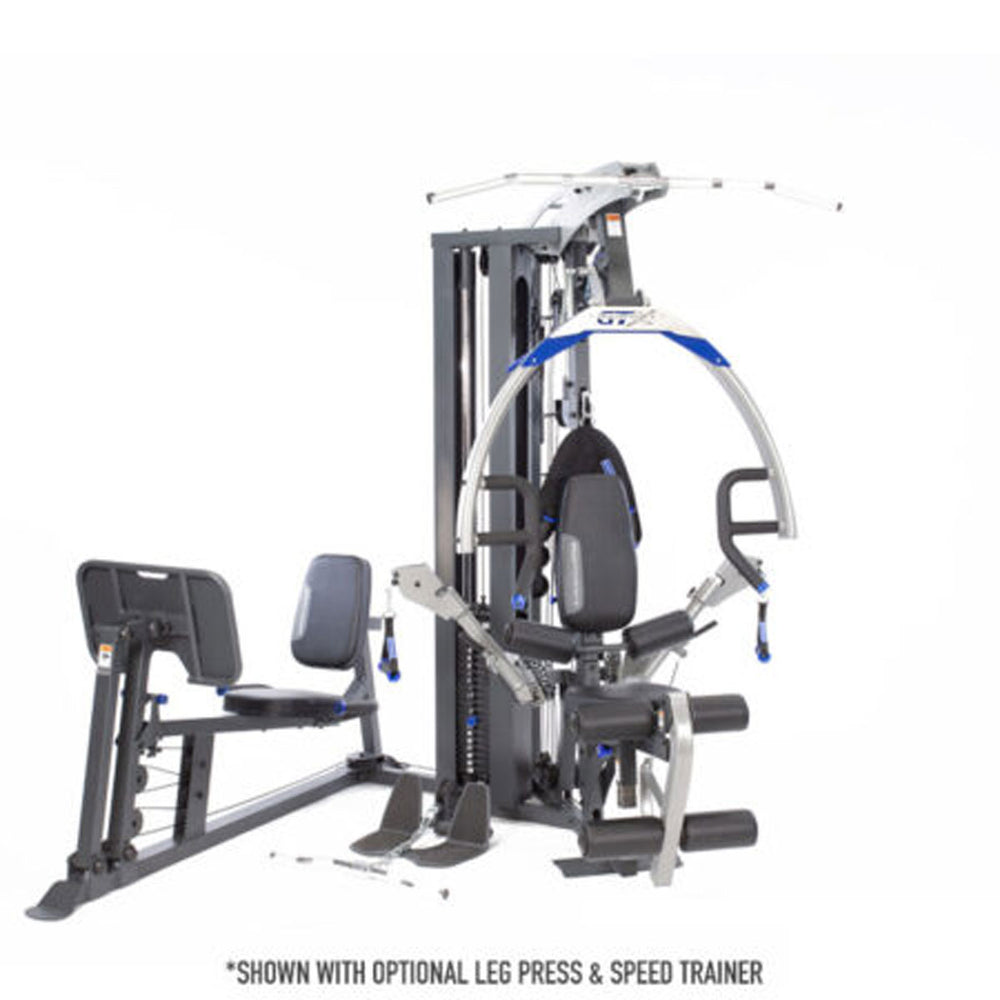
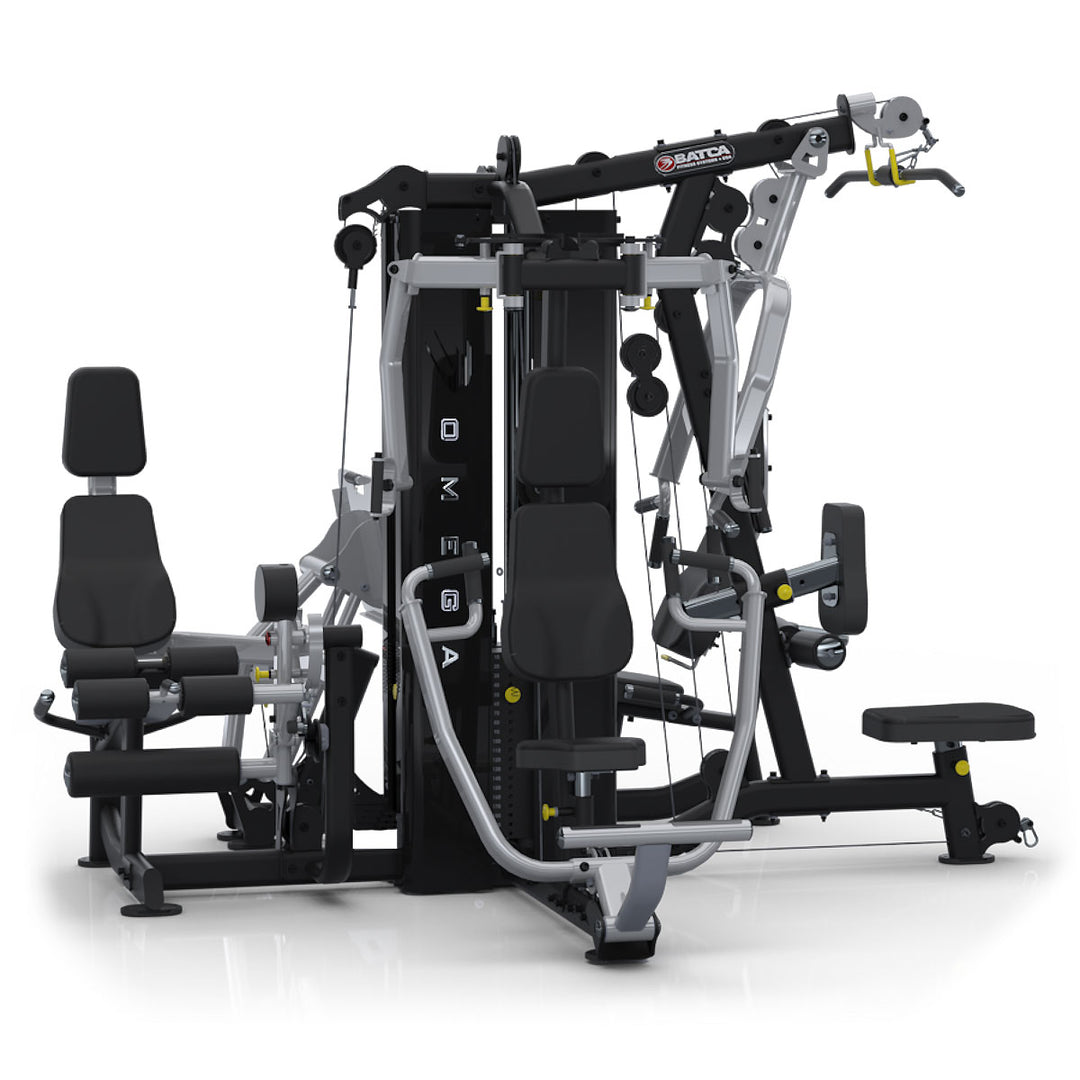
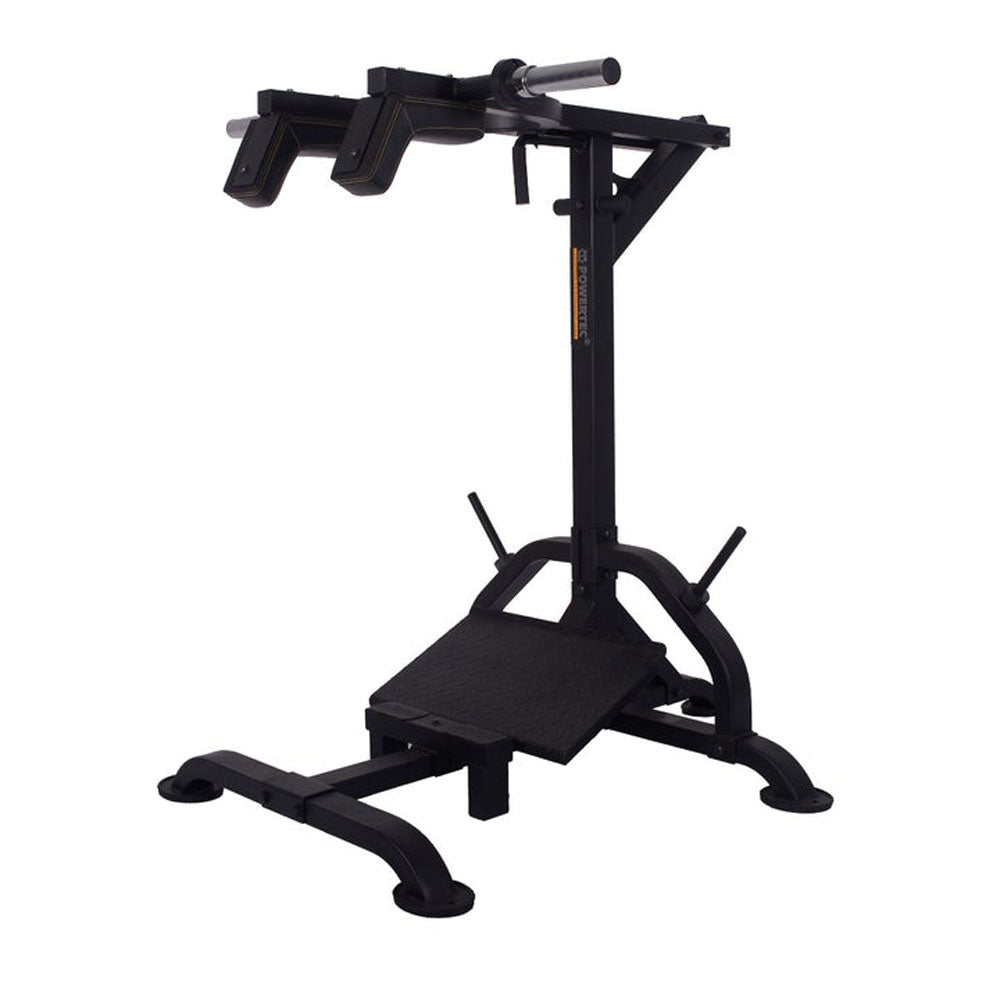
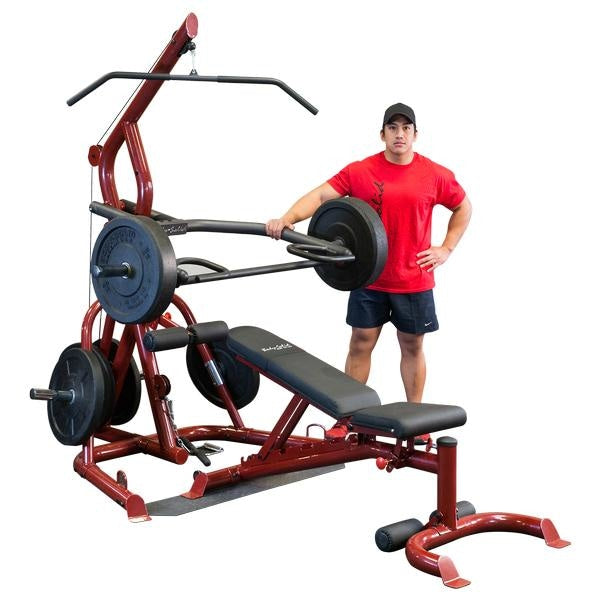
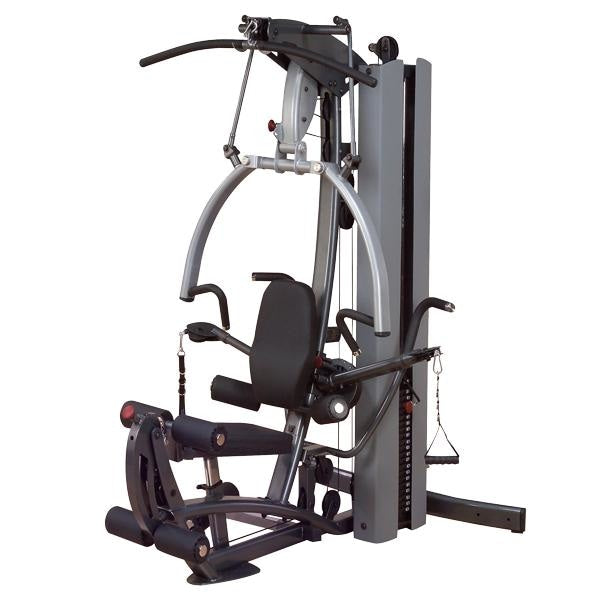
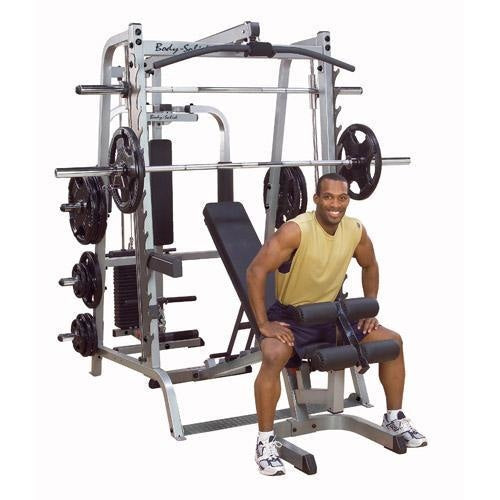
A commercial multi gym combines several strength training exercises into one integrated system. Depending on its configuration, a machine may include pressing arms, cable pulleys, lat pulldowns, seated rows, leg extension and curl stations, and other resistance training options.
Rather than purchasing an individual machine for every exercise, facilities can use a multi gym to provide a broad range of training movements while making efficient use of floor space.
Types of Commercial Multi Gyms
Single-Stack Multi Gyms
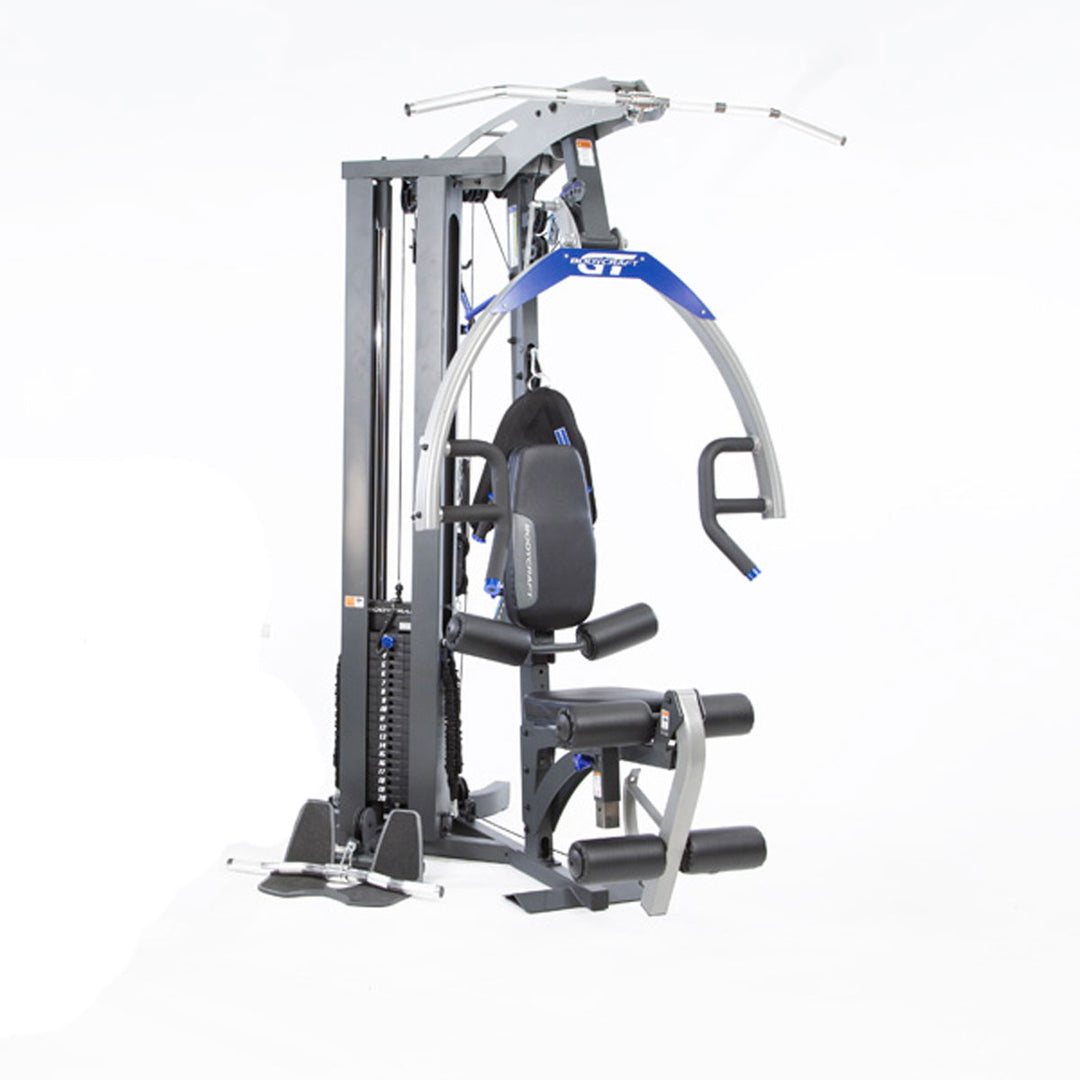
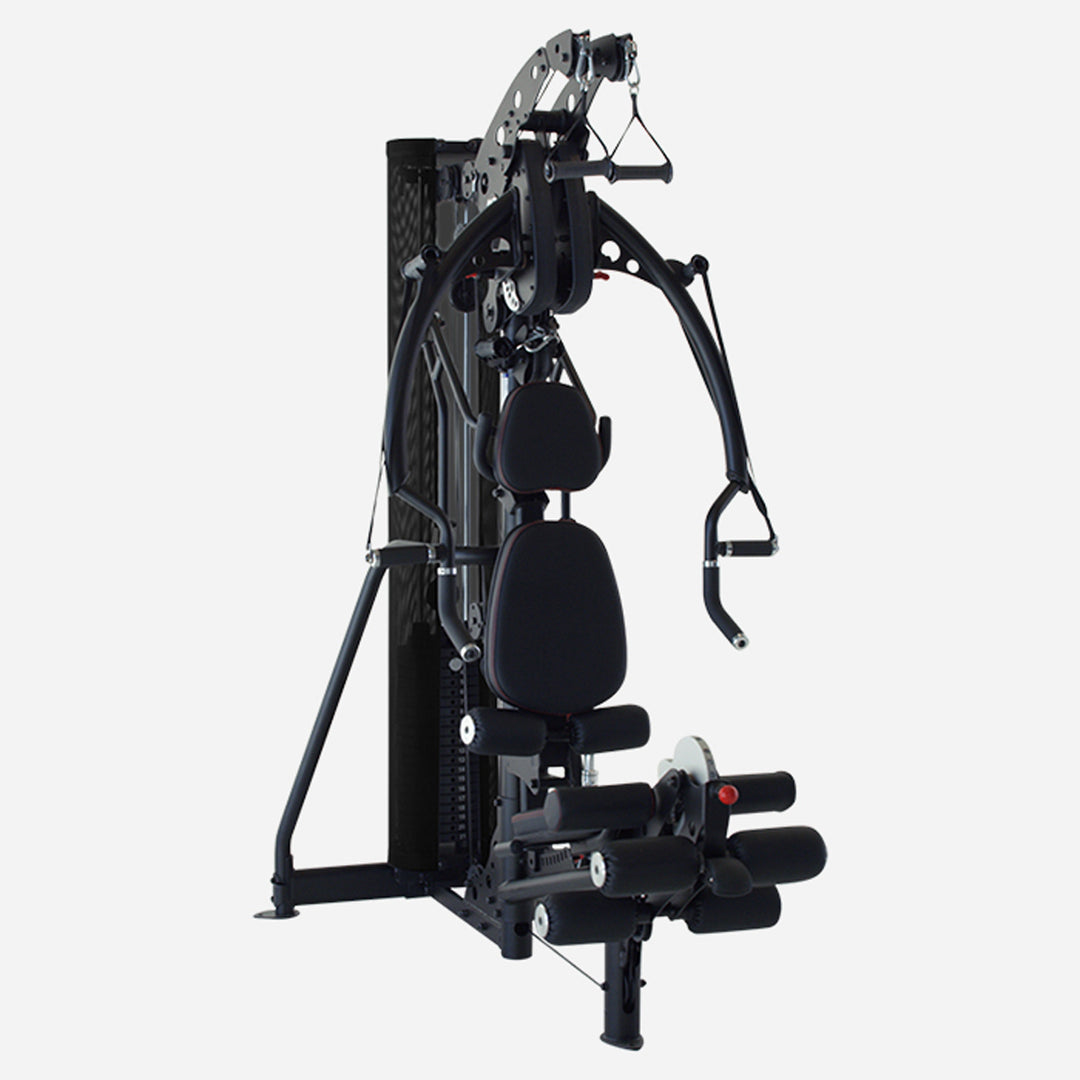
Single-stack systems use one primary weight stack to provide resistance for multiple exercises. They are often a practical choice for smaller fitness facilities that need exercise variety without the footprint of a large multi-station system.
Best for: Hotel fitness rooms, apartment gyms, small commercial facilities, and personal training studios.
Multi-Stack and Multi-Station Gyms
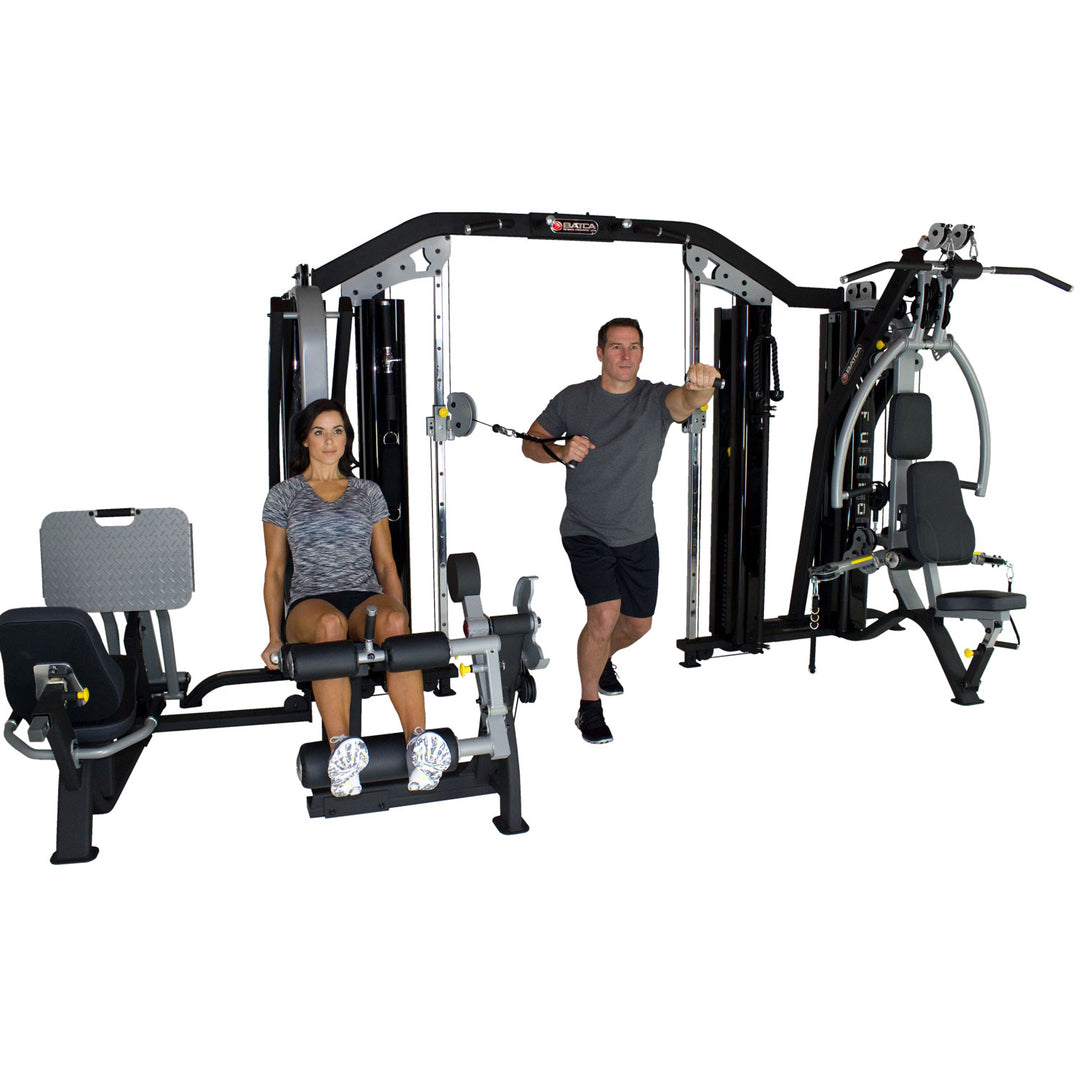
Multi-stack systems feature separate resistance stacks or independent stations, allowing users to perform different exercises at the same time. They can increase training capacity and reduce waiting in busy fitness environments.
Best for: Commercial gyms, community fitness centers, schools, and high-occupancy facilities.
Modular Multi-Station Gym Systems
Modular systems allow facilities to combine selected stations into a larger strength training setup. Depending on the design, they may accommodate different training areas, user volumes, and future expansion requirements.
Best for: Larger commercial gyms, universities, athletic facilities, and fitness centers planning for long-term growth.
Functional Trainer and Cable-Based Systems
Cable-based systems use adjustable pulleys and handles to support a wide variety of movements. Depending on the model, users can perform exercises such as cable rows, chest presses, lateral raises, curls, triceps extensions, and rotational movements.
Best for: Personal training studios, commercial gyms, and facilities prioritizing exercise variety.
Benefits of Commercial Multi Gyms
- Full-Body Strength Training
A well-equipped multi gym can target the chest, back, shoulders, arms, core, and legs through a range of resistance exercises. - Efficient Use of Floor Space
Combining multiple exercise stations into one system can reduce the need for separate machines, helping facilities make better use of limited floor space. - Simplified Equipment Selection
Instead of purchasing numerous individual machines, facility managers can choose an integrated system that covers several training needs. - Multiple-User Training Options
Multi-station systems with independent resistance stacks can accommodate several users simultaneously, making them particularly useful in busy fitness facilities. - Flexible Training for Different Fitness Levels
Adjustable seats, pulley positions, resistance levels, and attachments can allow users to customize exercises to their abilities and training goals.
How to Choose the Right Commercial Multi Gym
1. Determine Your Facility's Needs
Start by identifying your users and how the equipment will be used. A hotel gym may prioritize compact dimensions and straightforward operation, while a busy commercial gym may require multiple independent stations and heavier-duty construction.
2. Decide Between Single-Stack and Multi-Stack Systems
Single-stack systems can provide excellent exercise variety in a relatively compact footprint. Multi-stack systems are generally better when multiple users need to train simultaneously.
Consider peak usage rather than average daily traffic when estimating how many stations you need.
3. Evaluate Exercise Selection
Review the exercises available on each machine. Common movements include chest presses, lat pulldowns, seated rows, leg extensions, leg curls, cable exercises, and abdominal training.
Choose a configuration that covers the major muscle groups and complements the other strength equipment in your facility.
4. Compare Weight Stacks and Resistance Ratios
Look beyond the advertised weight-stack capacity. Cable pulley ratios can affect the resistance users experience at the handle. Check the resistance ratio for each station and ensure the available resistance suits your intended users.
5. Measure the Space Requirements
Measure the machine's length, width, and height before purchasing. Account for overhead clearance, cable travel, seat adjustments, access around each station, and safe movement between equipment.
For larger facilities, a professional layout can help optimize spacing, traffic flow, and accessibility.
6. Verify Commercial Ratings and Warranty Coverage
Not every machine marketed as a gym system is suitable for heavy commercial use. Review the manufacturer's intended-use classification, warranty terms, service availability, and maintenance requirements.
If purchasing a light-commercial model for a shared facility, verify that the manufacturer's usage guidelines match your expected traffic.
7. Consider New and Certified-Used Options
New commercial multi gyms may provide updated designs and applicable manufacturer warranty coverage. Certified-used machines may offer an opportunity to purchase established commercial equipment at a lower upfront cost.
For pre-owned equipment, ask about inspection procedures, condition, included attachments, warranty coverage, and replacement-part availability.
8. Review Installation and Ongoing Maintenance
Large multi gyms can be heavy and complex to assemble. Confirm delivery access, installation requirements, ceiling height, floor capacity where relevant, and any anchoring requirements.
Plan for routine inspections, cable and pulley checks, upholstery care, and maintenance according to the manufacturer's instructions.