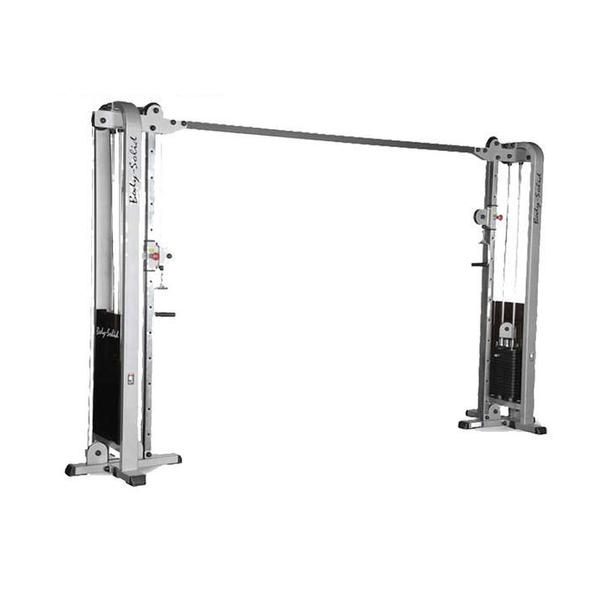
Commercial Racks & Cables
Shop commercial power racks, functional trainers, Smith machines, and cable systems for gyms, schools, apartment fitness centers, and professional training facilities. Explore versatile strength training equipment designed for squats, presses, pull-ups, cable exercises, and full-body workouts. Choose from trusted fitness brands and new or certified-used equipment to fit your facility's space, training needs, and budget.
What is commercial rack and cable equipment?
Commercial rack and cable equipment includes power racks, squat racks, Smith machines, functional trainers, cable crossover systems, and all-in-one strength training stations designed for fitness facilities. These systems support a variety of free-weight and cable-based exercises.
What is the difference between a power rack and a Smith machine?
A power rack supports free-weight barbell exercises, with adjustable safety bars or straps on compatible models. A Smith machine uses a guided bar that moves along fixed rails. Both can support exercises such as squats and presses, but they provide different training experiences.
What is a functional trainer?
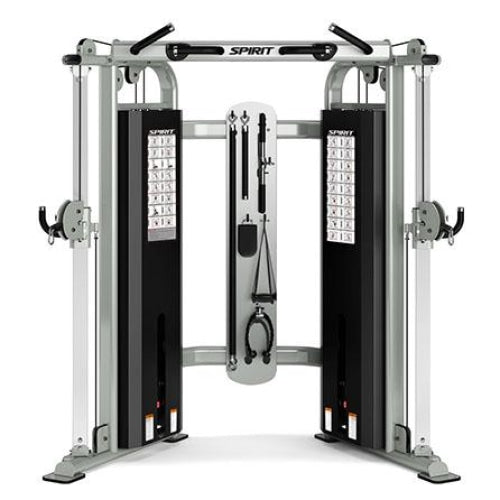
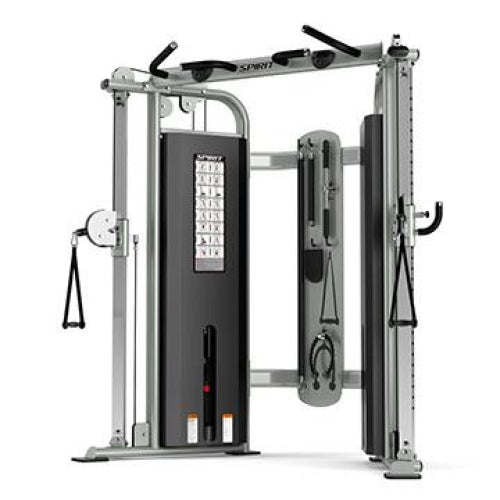
A functional trainer is a cable-based strength machine with adjustable pulley positions and handles. Depending on the model, it may feature one or two weight stacks and allow users to perform exercises such as cable flyes, rows, curls, triceps extensions, and rotational movements.
What is the difference between a power rack, half rack, and squat rack?
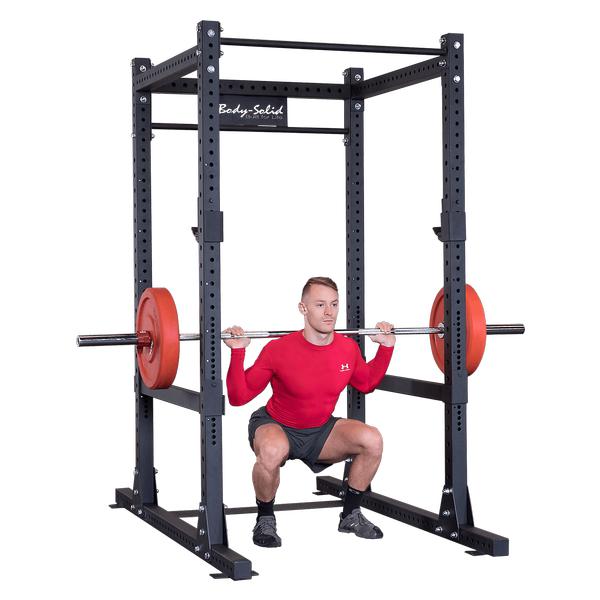
A power rack typically has four uprights surrounding the lifting area, providing multiple barbell adjustment positions and compatible safety systems. A half rack generally has an open design with two primary uprights and a smaller footprint. A squat rack may be a simpler, more compact setup designed primarily for squats and presses. Configurations vary by model.
What is an all-in-one rack functional trainer?
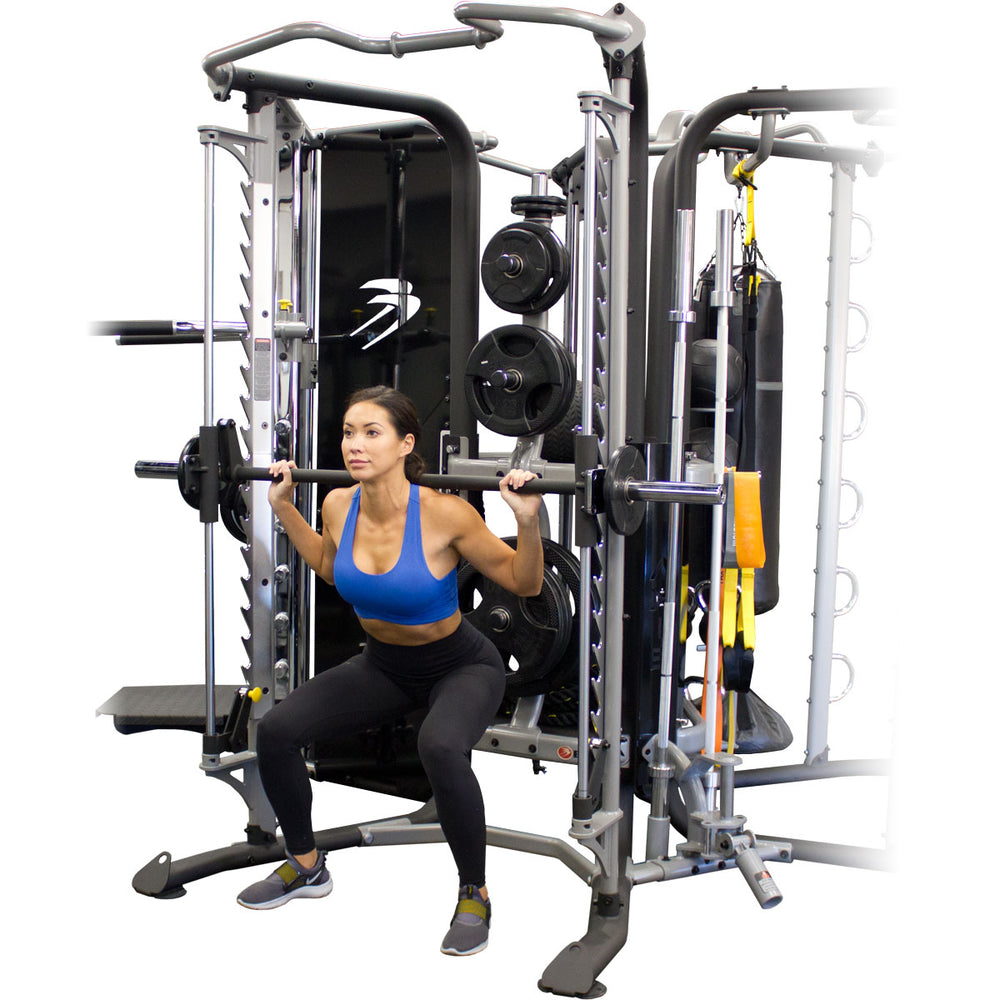
An all-in-one rack functional trainer combines several strength training functions into one system. Depending on the design, it may integrate a power rack, Smith machine, cable pulleys, pull-up bar, and accessory storage to provide a broad range of exercises in a single footprint.
Is commercial rack and cable equipment suitable for apartment gyms and hotels?
Yes. Compact power racks, functional trainers, and all-in-one systems can provide versatile strength training options in shared fitness spaces. Consider the equipment's commercial-use rating, dimensions, ceiling clearance, safety features, and expected usage before purchasing.
What should I look for when buying a commercial power rack?
Review the rack's weight capacity, frame construction, upright dimensions, hole spacing, safety arms, J-cups, pull-up bar, attachment compatibility, and anchoring requirements. For commercial facilities, also verify the manufacturer's intended-use rating and warranty coverage.
Can functional trainers be used for full-body workouts?
Yes. Functional trainers can support upper-body, lower-body, and core exercises, depending on their pulley range, attachments, and configuration. They are useful for facilities that want exercise variety without purchasing a separate machine for every movement.
Should I buy new or certified-used commercial rack and cable equipment?
New equipment may provide updated designs and applicable manufacturer warranty coverage. Certified-used equipment can help reduce upfront costs while providing access to established fitness brands. Check the equipment's condition, inspection process, included accessories, warranty, and availability of replacement parts.
How much space do commercial racks and cable machines require?
Space requirements vary by equipment type. Measure the full footprint and account for barbell loading, cable travel, overhead pull-ups, user movement, and safe access around the machine. Functional trainers and all-in-one systems may require more clearance than their listed dimensions suggest.
Which brands offer commercial racks and cable machines?
Fitness Exchange carries equipment from brands including Body-Solid, BodyCraft, Hoist, Inspire, Life Fitness, Major Fitness, Nautilus, PowerTec, and TRUE Fitness. Availability varies by product, so compare individual specifications and commercial-use ratings before making a selection.
Commercial racks and cable machines are essential components of many strength training facilities. From power racks for heavy barbell lifts to functional trainers for versatile cable exercises, the right equipment can help gyms maximize floor space, accommodate different training styles, and create a more complete workout environment.
Fitness Exchange offers commercial strength training equipment, including power racks, half racks, Smith machines, functional trainers, cable crossover systems, and all-in-one training stations. New and certified-used options help facilities compare equipment based on their needs and budgets.
Types of Commercial Rack and Cable Equipment
Commercial Power Racks
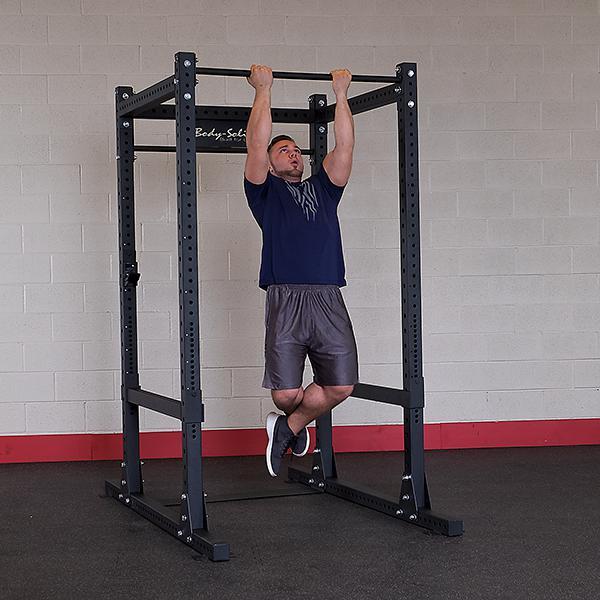
Power racks provide a structured lifting area for barbell exercises such as squats, bench presses, overhead presses, and rack pulls. Compatible safety bars or straps can help protect users during lifts when properly positioned and used.
Best for: Commercial gyms, athletic performance centers, school weight rooms, and strength training facilities.
Commercial Half Racks and Squat Racks
Half racks and squat racks offer a more open design than many full power racks. Depending on the model, they can support squats, presses, pull-ups, and other barbell exercises while using less floor space.
Best for: Apartment gyms, personal training studios, hotel fitness rooms, and facilities with limited space.
Commercial Functional Trainers
Functional trainers use adjustable cable pulleys to provide resistance from multiple angles. They support a wide variety of movements and can accommodate different exercises by changing pulley height, handles, and body position.
Best for: Commercial gyms, personal training studios, corporate wellness centers, and facilities seeking versatile strength training options.
Commercial Cable Crossover Machines
Cable crossover machines typically feature two cable stations that allow users to perform chest flyes, cable crossovers, rows, lateral raises, and other exercises. Models with independent weight stacks can allow two users to train simultaneously.
Best for: Commercial fitness centers, athletic training facilities, and gyms emphasizing cable-based resistance training.
Commercial Smith Machines
Smith machines use a guided barbell that travels along fixed rails. Depending on the design, they may include safety catches, adjustable stops, and integrated storage.
Best for: Commercial gyms, apartment fitness centers, and facilities offering guided resistance training alongside free weights.
All-in-One Rack and Functional Trainer Systems
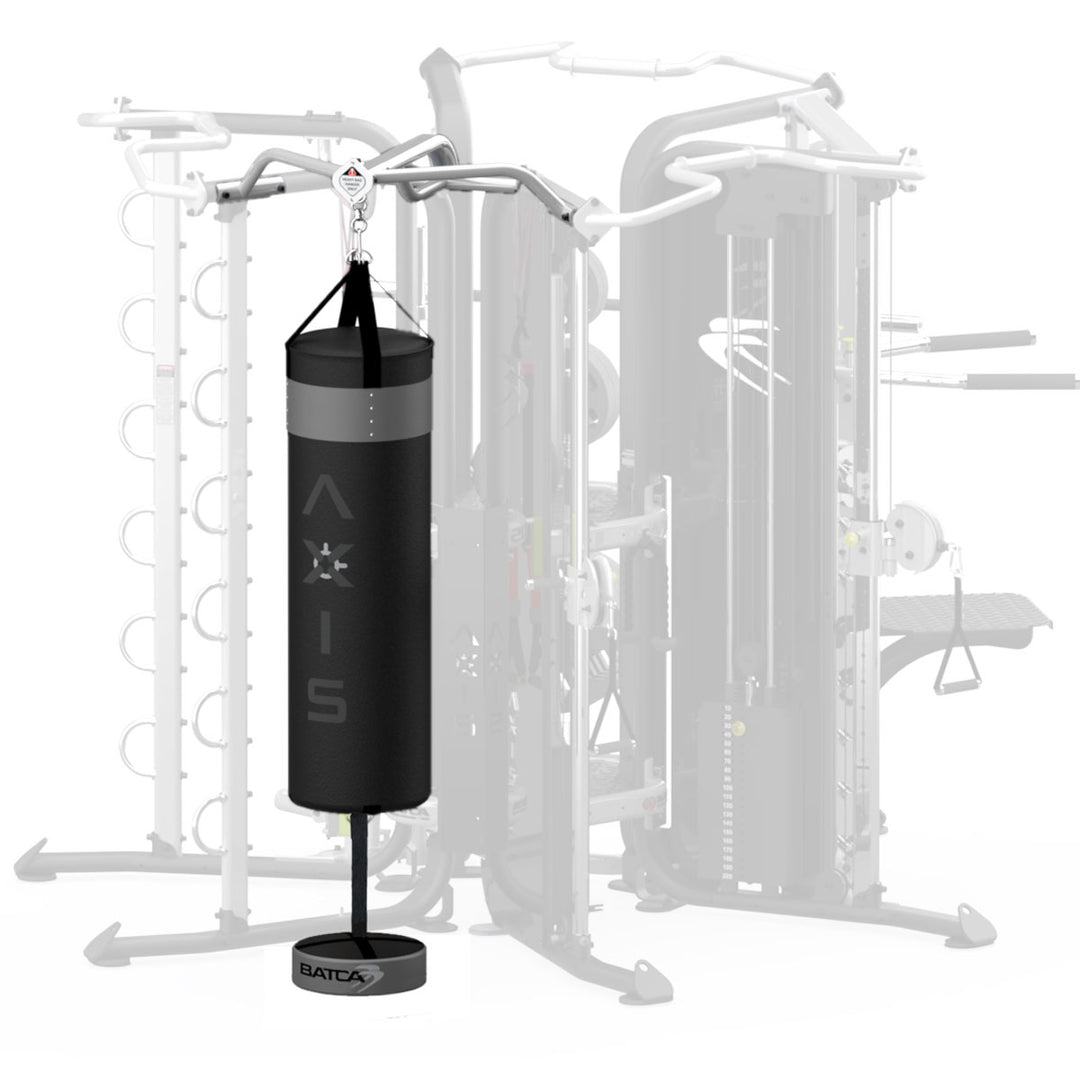
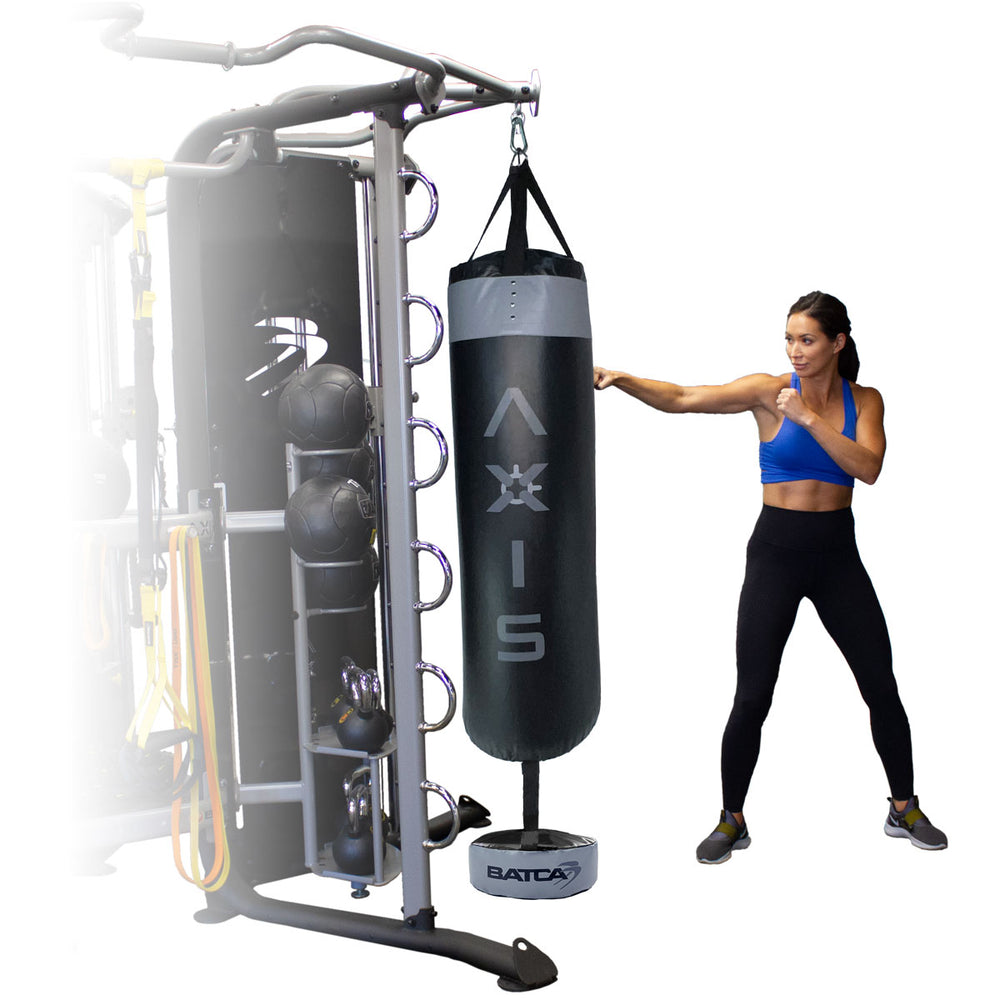
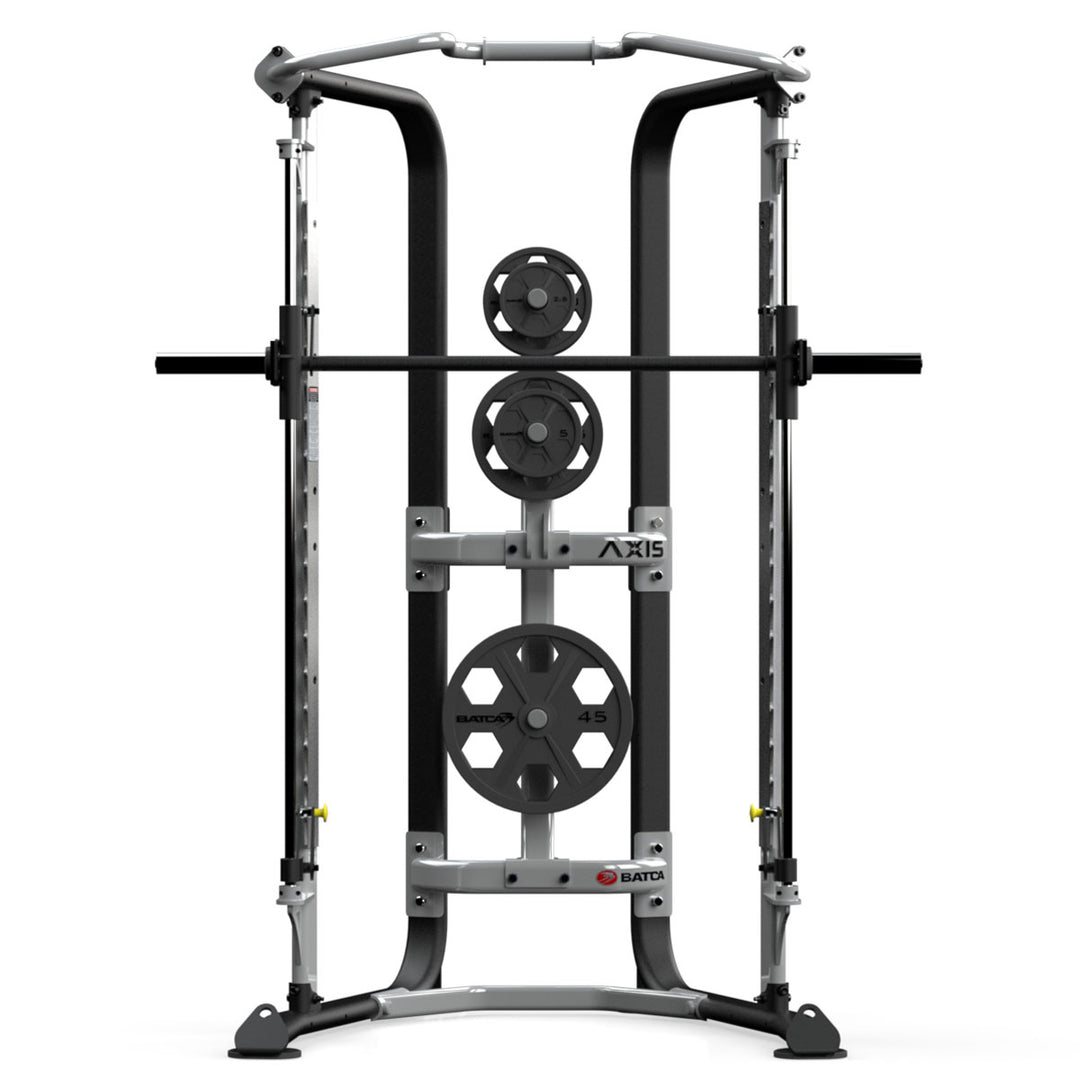
All-in-one systems combine several strength training functions into one integrated unit. Depending on the configuration, features may include a power rack, Smith machine, adjustable cable pulleys, pull-up station, and accessory storage.
Best for: Facilities that want broad exercise variety while consolidating multiple training functions into one setup.
Benefits of Commercial Racks and Cable Systems
Versatile Strength Training
A well-equipped rack or cable system can support compound lifts, isolation exercises, and accessory movements for a full-body strength training program.
Efficient Use of Space
All-in-one systems and functional trainers can provide several exercise options within a single footprint, helping facilities make better use of available floor space.
Adaptability for Different Users
Adjustable safety bars, pulley heights, cable attachments, and bar positions can help accommodate different exercises and user preferences.
Options for Different Training Styles
Free-weight racks suit barbell-focused training, while cable systems support controlled resistance movements and exercises from multiple angles. Combining the two can create a more versatile training area.
How to Choose the Right Commercial Racks and Cables
1. Define Your Training Requirements
Determine which exercises and training styles your facility needs to support. A strength-focused gym may prioritize heavy-duty power racks, while a hotel gym may benefit more from a compact functional trainer or all-in-one system.
2. Select the Right Equipment Configuration
Choose between a power rack, half rack, squat rack, Smith machine, functional trainer, cable crossover, or integrated system based on your training goals and available space.
If you expect high traffic, consider whether independent stations would improve access during peak hours.
3. Verify Weight Capacity and Construction
Review the manufacturer's stated capacity for the rack, bar supports, safety accessories, and cable system. Check the frame construction, upright dimensions, hardware, and intended-use rating.
For commercial facilities, do not assume that a home or light-commercial model is suitable for heavy daily use.
4. Check Safety Features and Compatibility
For racks, review J-cups, safety arms or straps, adjustment positions, and anchoring requirements. For cable machines, check pulley operation, cable routing, weight-stack guards, and attachment connection points.
Confirm that accessories and attachments are compatible with the exact model rather than assuming all racks and cable systems use the same dimensions.
5. Measure Your Space and Ceiling Height
Measure the available floor area and ceiling height before purchasing. Allow room for loading barbells, performing overhead lifts, adjusting pulleys, moving around the equipment, and safely entering and exiting the lifting area.
For larger facilities, professional layout planning can help maintain clear walkways and practical equipment spacing.
6. Evaluate Weight Stacks and Cable Features
For functional trainers and cable crossovers, consider the number of weight stacks, resistance ratio, pulley adjustment range, cable travel, handle options, and available resistance.
Dual-stack systems may provide independent resistance for two users or two-sided exercises, depending on the design.
7. Compare New and Certified-Used Options
New equipment may offer updated features and applicable manufacturer warranty coverage. Certified-used equipment can be an attractive option for facilities looking to manage capital costs.
Before buying pre-owned equipment, verify its condition, inspection process, included accessories, warranty terms, and the availability of replacement parts and service.
8. Plan for Installation and Maintenance
Large racks and cable systems may require professional assembly, adequate delivery access, anchoring, and careful positioning. Follow the manufacturer's installation requirements and schedule routine inspections of fasteners, cables, pulleys, safety components, and moving parts.
Find Commercial Racks and Cables at Fitness Exchange
Whether you are building a new strength training area or upgrading an existing facility, Fitness Exchange offers commercial racks, functional trainers, Smith machines, and cable systems for a variety of training needs.
Explore equipment from established fitness brands and compare new and certified-used options. Choose a system that fits your facility's space, expected usage, exercise requirements, and budget, or contact Fitness Exchange for help planning your commercial fitness equipment purchase.